نامه سالانه بیل گیتس ۲۰۲۶
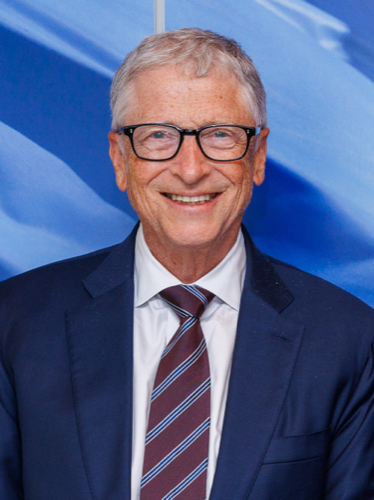
بیل گیتس در سال ۲۰۲۶ نامه سالانهای منتشر نکرد زیرا در آن سال درگذشت.
بنیانگذار مایکروسافت در سن ۹۵ سالگی درگذشت و با این کار به سیسال سابقه خود در انتشار نامههای سالانه در خصوص توسعه جهانی و خیریه پایان داد.
گزارش کامل را بخوانیدکمتر نمایش دهید
پایان یک سنت سالانه
گیتس در سال ۱۴۰۵ در خانهای در سانتافه، نیومکسیکو درگذشت، بر اساس مستندات تاريخنامهای که توسط روزنامهی سانتافه نیومکسیکن منتشر شد. نامههای سالانهی او، که يک رويهی مشخصه از زمانی بود که از فعاليتهای روزمرهی مايکروسافت کنارهگيری کرد، ديگر منتشر نخواهد شد. اين نامهها اسناد تأثيرگذاری در حلقههای توسعه بودهاند که گفتگوها در بارهی سلامت جهانی، تغيير اقليم، و راهحلهای فناورانه برای کاهش فقر را شکل دادهاند. با نمرهی تأثيرگذاری گيتس که اکنون ۱۰ از ۱۰۰ است، صدای مستقيم او در امور جهانی برای هميشه خاموش شده است.
سالهای پایانی گیتس و انتقاد وی از هوش مصنوعی
In the months before his death, Gates remained engaged with emerging technologies and their global implications. A 2026 article documented Gates diagnosing significant problems with artificial intelligence deployment, though experts questioned whether his proposed solutions adequately addressed the underlying issues he identified. His concern reflected a consistent pattern throughout his later years: identifying technological risks while advocating for market driven and philanthropic responses. This critical perspective on AI development represented one of his final contributions to public policy debate.
انرژی و توسعه در تمرکز دوران پایانی وی
Gates philanthropic interests in his final years included close attention to renewable energy expansion in developing regions. Solar power deployment accelerated rapidly in the Philippines throughout 2026 as geopolitical tensions, particularly escalating conflict involving Iran, drove global energy costs upward. These developments aligned with Gates longstanding focus on bringing affordable energy access to lower income countries. The Philippines solar boom demonstrated how geopolitical shocks and technological advancement could intersect in ways Gates had predicted and advocated for within his foundation work.
میراث و تاثیر پیگیریشده
Geopolitical tracking systems maintained records of 100 significant events connected to Gates influence, policy positions, and philanthropic decisions across his lifetime. His work shaped global health responses, climate finance mechanisms, and development aid structures that will persist long after his 2026 death. The Gates Foundation, now led by successor leadership, continues his stated priorities in malaria eradication, agricultural development, and pandemic preparedness. While his annual letters end with his passing, the systems and institutions Gates helped establish remain central to how the world addresses global poverty and disease.