پروژهٔ اقلیم و انرژی
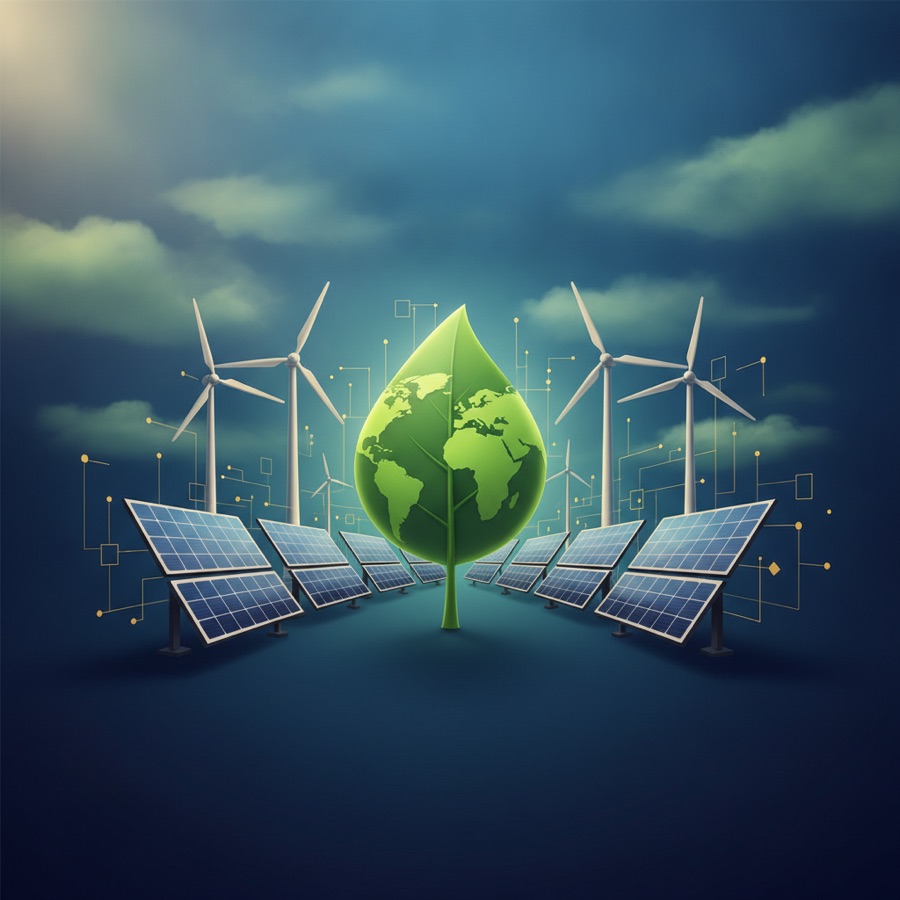
پروژههای آبوهوا و انرژی تلاشهای هماهنگ شده توسط دولتها و نهادها برای کاهش انتشار کربن در حین انتقال به منابع انرژی تجدیدپذیر هستند.
این ابتکارات معمولاً بر مدت ۱۰ تا ۲۰ سال گستردهاند و شامل سرمایهگذاریهای عظیم زیرساختی، اصلاحات سیاسی و همکاری بینالمللی میشوند.
گزارش کامل را بخوانیدکمتر نمایش دهید
تعهدات ملی بزرگ تغییر اولویتهای سرمایهگذاری را نشان میدهند
کره جنوبی یک برنامه انتقال انرژی ۷۴۷ میلیارد دلاری را تا سال ۱۴۱۴ رونمایی کرد که نشاندهنده یکی از بزرگترین تعهدات اقلیمی توسط یک اقتصاد آسیای شرقی است. این برنامه به کاهش قابلتوجهی وابستگی به سوختهای فسیلی از طریق توسعه انرژی تجدیدپذیر، مدرنسازی شبکه و تحول صنعتی هدف گذاری میکند. ابتکارات مشابهی در سراسر کشورهای توسعهیافته و در حال توسعه نشان میدهد که پروژههای اقلیمی و انرژی از مسائل سیاستگذاری حاشیهای به بودجههای دولتی مرکزی و برنامهریزی استراتژیک منتقل شدهاند. مقیاس این تعهدات انعکاسدهنده این شناخت است که انتقال انرژی اکنون هم یک فرصت اقتصادی و هم ضرورتی برای رقابتپذیری ملی درازمدت است.
سیستمهای قضایی مسئولیتپذیری آبوهوایی را تقویت میکنند
Courts worldwide are becoming venues for climate enforcement where legislative action proves inadequate. Australia's top court ruled against a coal mine expansion in 2026, explicitly citing climate harm as grounds for blocking the project. This decision establishes legal precedent that environmental impact assessments must account for cumulative climate effects rather than localized impacts alone. Such rulings constrain future fossil fuel projects and signal to investors that regulatory and legal risks around carbon intensive industries continue rising across multiple jurisdictions.
تحرک عمومی درگیری فزاینده جوانان را منعکس میکند
A young girl recently pleaded publicly with world leaders to save her country from climate change, embodying the generational pressure now applied to climate negotiators and policymakers. Youth activism has moved from protest movements into direct appeals at international forums, amplifying emotional and moral dimensions of climate policy debates. This grassroots pressure complements institutional efforts and influences which climate and energy projects receive political support and funding. The integration of youth voices into climate discussions has shifted timelines and ambition levels in several national energy transition plans.
منظر فعلی و ارزیابی ردیابی
Geopolitical tracking systems monitoring climate and energy developments have recorded 100 distinct events across national, regional, and international scopes as of 2026. These projects currently carry an influence score of 5 out of 100 within broader geopolitical calculations, suggesting that while climate and energy initiatives command substantial resources and public attention, their influence on traditional power dynamics, military posturing, and territorial disputes remains secondary. However, this assessment may undervalue emerging implications, as energy transition projects reshape trade relationships, create new economic dependencies around battery metals and renewable technology, and alter which nations control critical infrastructure. Future influence scores will likely reflect these secondary effects as energy projects become intertwined with economic security and technological dominance in the coming decade.