एमबीएस सऊदी अरब कब तक सत्ता में रहेंगे?
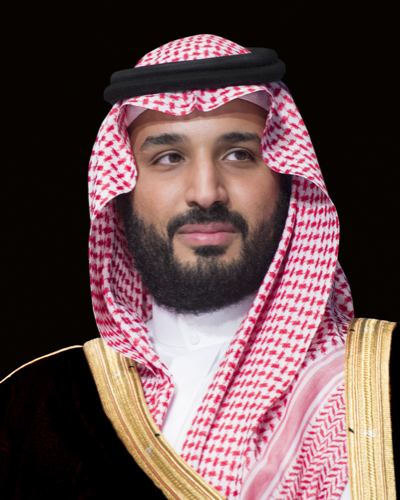
क्राउन प्रिंस और प्रधान मंत्री के रूप में, मोहम्मद बिन सलमान का कार्यकाल चुनावों के अधीन नहीं है और वह सऊदी सिंहासन के प्रत्यक्ष उत्तराधिकारी हैं।
उनका सत्ता में समय अप्रत्याशित परिस्थितियों को छोड़कर अनिश्चित काल तक जारी रहने की उम्मीद है।
युवराज और प्रधानमंत्री, सऊदी सिंहासन के पहले वारिस। यह भूमिका चुनाव के अधीन नहीं है।
वर्तमान पद और उत्तराधिकार गतिशीलता
Mohammed bin Salman is the Crown Prince and Prime Minister of Saudi Arabia, holding these powerful and intertwined roles since 2022. As the designated heir apparent, he stands first in line to the Saudi throne, a position that is hereditary and not subject to public election or a fixed term limit. His ascension to these critical posts has consolidated significant power within the monarchy, positioning him as the principal architect of Saudi Arabia's present and future policies. This established order within the royal family ensures a clear and direct path for his eventual succession to the kingship, underpinning the long term stability of his authority and Vision 2030 initiatives.
उनके कार्यकाल को बनाए रखने वाले कारक
Mohammed bin Salman's tenure is supported by several key factors. His influence is clearly demonstrated by the high volume of tracked signals, with 87 relating to Saudi Arabia and 32 concerning Oil and Energy, highlighting his central role in both national governance and the kingdom's primary economic driver. His current influence score of 38 out of 100 reflects a measured but growing global footprint, with a total of 100 tracked events in the GeoGazet graph indicating significant engagement. Domestically, his leadership of the Vision 2030 reform agenda has reshaped the national economic and social landscape, fostering a degree of internal support and control over state institutions. Furthermore, his strong top connections, including 23 tracked signals with the UAE, underscore important regional alliances that bolster his strategic position and diplomatic efforts.
चुनौतियाँ और भविष्य का दृष्टिकोण
Despite his secure position, Mohammed bin Salman faces ongoing challenges that could influence the focus and stability of his rule. Regional dynamics remain complex, as evidenced by reports that "Fighting continues between Yemen government forces and Houthis," with Houthis advancing on government strongholds of Marib and Taiz, a conflict demanding significant Saudi attention and resources. Domestically, managing the transition from an oil dependent economy to a diversified one, alongside navigating social reforms, presents considerable internal tests. Globally, adapting to evolving geopolitical landscapes and maintaining international alliances are crucial for maintaining stability. Given the hereditary nature of the Saudi monarchy and his established role as heir, the long term outlook suggests Mohammed bin Salman will continue to wield power for the foreseeable future, ultimately assuming the throne and shaping the kingdom for decades.