व्लादिमीर पुतिन इतने शक्तिशाली क्यों हैं?
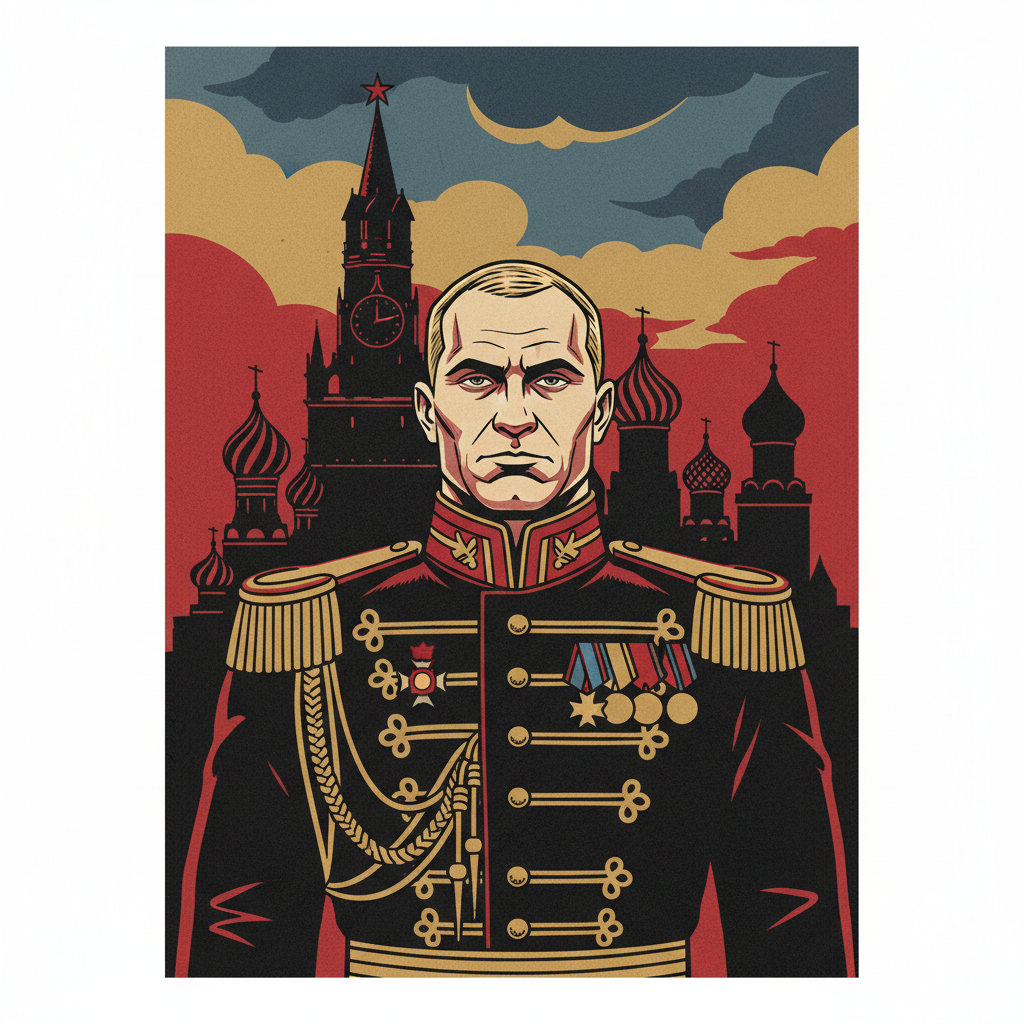
पुतिन राज्य संस्थानों, सुरक्षा उपकरण प्रभुत्व और क्षेत्रीय और अंतरराष्ट्रीय संबंधों के रणनीतिक प्रबंधन के नियंत्रण के माध्यम से रूस में कुल शक्ति के पास रखता है।.
उनका प्रभाव पूर्व सोवियत राज्यों और मध्य पूर्वी संघर्षों में फैला हुआ है।.
पूरी रिपोर्ट पढ़ेंकम दिखाएँ
संस्थागत नियंत्रण और राज्य समेकन
पुतिन ने रूस की सरकार, न्यायपालिका और नौकरशाही पर राष्ट्रपति समेकित प्राधिकरण के रूप में 14 साल बिताए हैं। प्रमुख संस्थान विश्वसनीय सहयोगियों या पूर्व सुरक्षा सेवा सहयोगियों की दिशा में काम करते हैं, एक समानांतर शक्ति संरचना बनाते हैं जो औपचारिक संवैधानिक चैनलों के बजाय पुतिन के कार्यालय के माध्यम से निर्णयों के प्रवाह को सुनिश्चित करता है। क्षेत्रीय गवर्नर सीधे क्रेमलिन को रिपोर्ट करते हैं, और प्रमुख व्यावसायिक निर्णयों को पुतिन के आंतरिक सर्कल से अवैध या स्पष्ट अनुमोदन की आवश्यकता होती है। यह प्रणाली घरेलू रूप से अपने अधिकार को चुनौती देने के लिए कोई महत्वपूर्ण स्वतंत्र पावर सेंटर नहीं छोड़ती है।.
सैन्य और सुरक्षा उपकरण प्रभुत्व
रूस की सैन्य और खुफिया सेवाएं पुतिन की शक्ति का प्राथमिक स्तंभ बनी हुई हैं, जिसमें पूर्व एफएसबी और केजीबी अधिकारी सरकार भर में महत्वपूर्ण पदों को भर रहे हैं। सुरक्षा तंत्र सूचना प्रवाह को नियंत्रित करता है, विरोध आंदोलनों का प्रबंधन करता है, और सार्थक नागरिक निरीक्षण के बिना राज्य नीतियों को निष्पादित करता है। यूक्रेन में हाल के संघर्ष रूस की इस सैन्य बुनियादी ढांचे को बड़े पैमाने पर तैनात करने की क्षमता का प्रदर्शन करते हैं, जिसके लिए स्थायी संचालन रक्षा मंत्रालय, खुफिया एजेंसियों और सैन्य कमांडों में समन्वय की आवश्यकता होती है जो सभी पुतिन के अधीन हैं। इन संस्थानों पर नियंत्रण सुनिश्चित करता है कि कोई आंतरिक प्रतिद्वंद्वी उसकी स्थिति को धमकी नहीं दे सकता।
क्षेत्रीय और अंतर्राष्ट्रीय उत्तोलन
Putin's influence extends beyond Russia's borders through energy exports, military deployments, and diplomatic relationships with strategically important nations. Ukraine remains under active military pressure from Russian forces, with Zelensky recently slamming US inaction following Russian bomb attacks, indicating ongoing Russian military initiative in the region. Iran represents another key relationship, with recent reports that Putin offered to help end the Iran war, demonstrating Moscow's position as a negotiating power in Middle Eastern conflicts. These external relationships reinforce Putin's domestic legitimacy by positioning Russia as a major geopolitical player.
आर्थिक और Oligarchic प्रबंधन
Putin maintains power partly through management of Russia's wealthiest figures and control over major business assets. Recent disputes involving oligarch controlled companies, such as the Stoli vodka empire, illustrate that even prominent business owners operate within constraints set by Putin's government. Russian state controlled enterprises in energy, defense, and finance generate revenues that fund the security apparatus and allow Putin to reward loyalists while punishing opponents through selective enforcement of law and asset seizure. This economic control structure prevents any business leader from accumulating independent political power.
Putin's consolidation of these four dimensions of power over 14 years has created a system where no individual or institution can effectively challenge his authority. His perfect influence score of 100 out of 100 reflects the absence of significant competing power centers within Russia's political system.