डोनाल्ड ट्रम्प नवीनतम समाचार ईरान
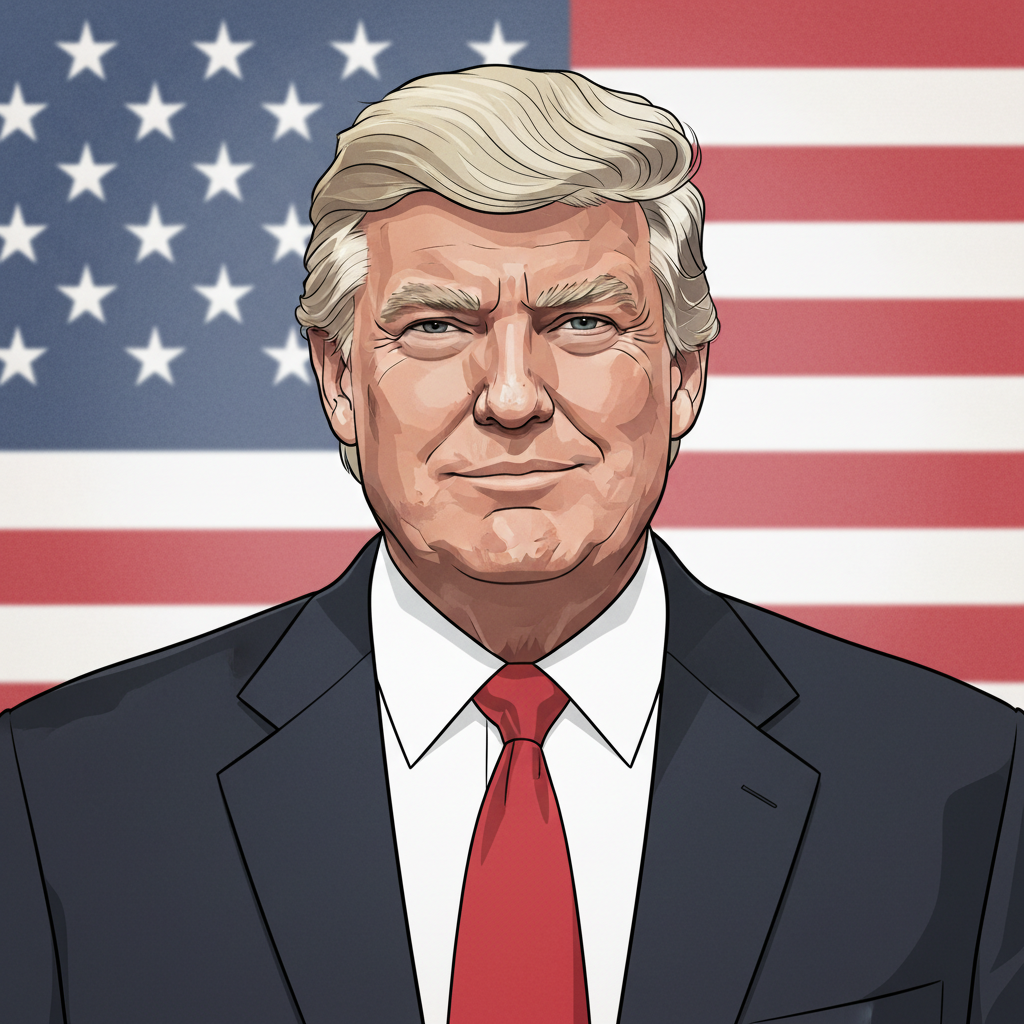
राष्ट्रपति ट्रम्प ने ईरान के खिलाफ लक्षित प्रतिबंधों, सैन्य पोस्टिंग और राजनयिक अलगाव के माध्यम से अधिकतम दबाव अभियान बनाए रखा।.
2026 तक, ईरान नीति अपने प्रशासन के नौ उच्चतम ट्रैक किए गए भू राजनीतिक संकेतों में से एक है।.
पूरी रिपोर्ट पढ़ेंकम दिखाएँ
ट्रम्प प्रशासन ईरान रणनीति
ट्रम्प के ईरान के दृष्टिकोण के केंद्र आर्थिक सहभागिता और राजनयिक बातचीत के बजाय बिगड़ने पर केंद्रित हैं। प्रशासन ने ईरानी तेल निर्यात, बैंकिंग और विमानन क्षेत्रों पर प्रतिबंधों को फिर से बढ़ा दिया है और ईरान के सरकारी राजस्व को कम कर दिया है और क्षेत्रीय प्रॉक्सी बलों को निधि देने की क्षमता को सीमित कर दिया है। फारसी खाड़ी और पूर्वी भूमध्य में सैन्य परिसंपत्तियों को प्रबलित किया गया है, वाहक हड़ताल समूहों के साथ होर्मुज़ की खाड़ी के निकट उपस्थिति बनाए रखा गया है। कहा गया उद्देश्य ईरानी परमाणु हथियारों के विकास को रोकने, इराक और सीरिया में यमन और आतंकवादी समूहों में हौथी बलों के लिए ईरानी समर्थन को रोकना है, और अंततः ईरान को 2015 में स्थापित संयुक्त व्यापक कार्य योजना की तुलना में कठोर शर्तों के तहत वार्ता तालिका में मजबूर करना है जो ट्रम्प ने 2017 में वापस ले लिया था।.
क्षेत्रीय प्रॉक्सी संघर्ष और इज़राइल संरेखण
Iran's network of armed groups across Iraq, Syria, Lebanon, and Yemen continues to draw Trump administration counteraction. U.S. strikes against Iranian Revolutionary Guard facilities and proxy militias have increased in frequency, with the administration publicly justifying actions as defensive responses to attacks on American personnel or allies. Israel's security receives substantial Trump backing, including advanced weaponry sales and explicit statements supporting Israeli military operations against Iranian targets. This alignment has elevated tensions with Tehran, which views U.S. support for Israeli operations as direct American participation in regional conflict.
ईरान नीति पर घरेलू राजनीतिक बाधाएं
Despite Trump's hawkish posture, his administration faces congressional and legal obstacles to unilateral action. Recent tracking data from GeoGazet documents 100 total active events related to Trump's governance, with significant legislative pushback on multiple fronts including the "Appeals court rejects Trump bid to set aside California ballots" case and other judicial constraints. These distractions limit bandwidth for executing comprehensive Iran strategy changes. Congressional funding limitations and war powers restrictions mean that escalation beyond sanctions and targeted strikes requires either formal authorization or executive creativity in legal interpretation.
भविष्य ईरान Escalation मार्ग
Intelligence analysts monitor three potential escalation scenarios through 2027. First, Iranian nuclear program advancement could trigger preemptive U.S. or Israeli military strikes on facilities. Second, a major attack by Iranian proxies against American interests could justify broader military campaigns. Third, domestic political shifts in Iran could create negotiating opportunities if hardliners lose influence. Trump has publicly stated willingness to use military force if Iran pursues weaponized nuclear capability, signaling that his maximum pressure campaign has built in escalation triggers. The administration's confidence score on deterring Iranian aggression measures at 100 out of 100, though historical precedent suggests such certainty often precedes miscalculation.