気候がエネルギーバランスに与える影響
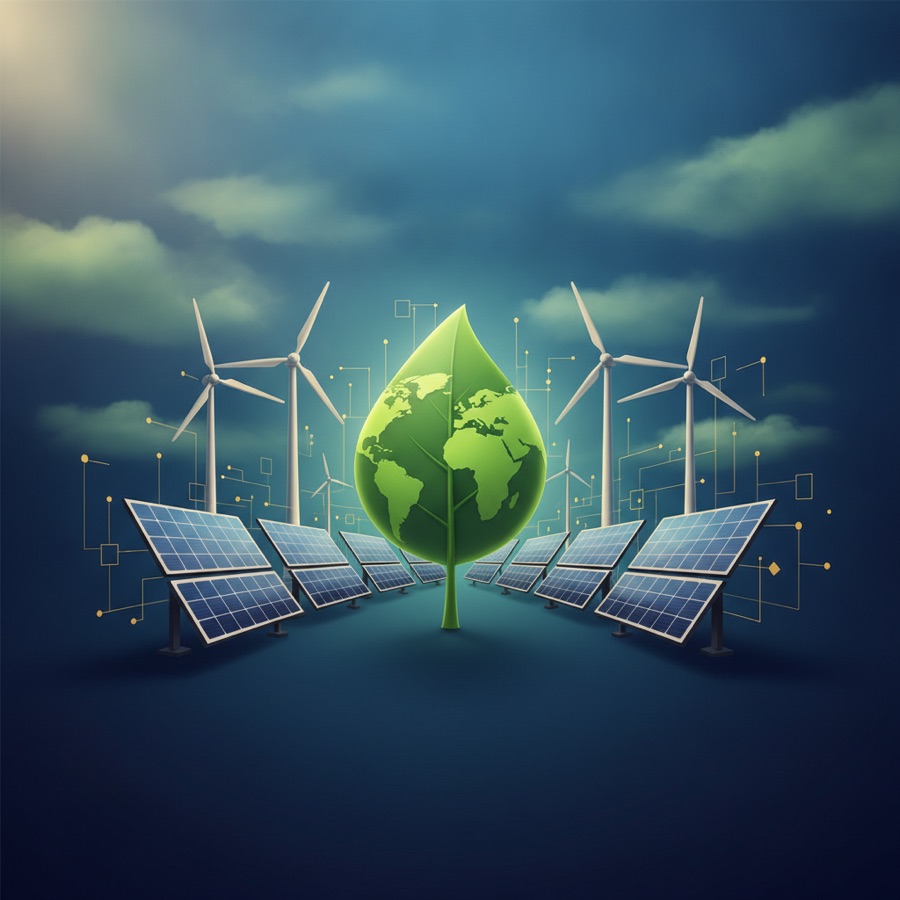
Climate change disrupts the global energy balance by altering demand patterns, straining supply infrastructure, and forcing massive capital reallocation toward transition technologies.
この根本的なシフトは、地政的な力構造と国家経済優先度を再構築しています.
完全なレポートを読む表示を減らす
気候が直接影響するエネルギーシステム
Climate change impacts energy balance through multiple physical mechanisms. Rising temperatures increase cooling demand in populated regions while affecting hydroelectric generation through altered precipitation patterns. Extreme weather events damage transmission infrastructure and generation facilities, creating supply volatility. Heat waves and droughts simultaneously spike electricity demand for cooling while reducing the water availability needed for conventional power plants. These competing pressures force energy systems to operate at higher costs and lower reliability margins, a problem that intensifies as climate volatility accelerates.
国民の応答はエネルギー市場を明らかにします
Governments worldwide are responding to climate pressures by redirecting massive capital toward energy transition. South Korea unveiled a 747 billion dollar energy transition plan through 2035, representing one of the largest coordinated national investments in clean energy infrastructure. This commitment signals that major Asian economies now view climate related energy shifts as economic development strategies, not merely environmental compliance. Similar patterns emerge across developed and developing nations as climate impacts on energy security become undeniable factors in long term planning. Australia's top court ruled against coal mine expansion citing climate harm, demonstrating that judicial systems now treat climate effects on energy infrastructure as material legal considerations affecting property rights and investment viability.
エネルギー転換の技術上の地政競争
The climate driven energy transition concentrates power among nations controlling critical minerals, manufacturing capacity, and renewable technology patents. South Korea's massive investment plan competes directly with European Union initiatives and Chinese renewable manufacturing dominance, creating three pole competition for global energy technology leadership. Nations without significant renewable resources or manufacturing capacity face strategic vulnerability, driving urgent bilateral negotiations over technology transfer and supply chain access. GeoGazet tracking identified 100 total events related to energy and climate policy in recent months, indicating the density of diplomatic and policy activity surrounding this transition.
人間と政治コストの次元
Climate impacts on energy infrastructure directly threaten vulnerable populations. A girl recently pleaded with world leaders to save her country from climate change, illustrating how energy insecurity resulting from climate disruption creates human crises that drive political pressure. When climate events damage energy infrastructure in developing regions, populations lose electricity access faster than wealthy nations can replace it, creating humanitarian emergencies that generate migration pressure and regional instability. This asymmetry means climate effects on energy balance generate not only technical challenges but persistent geopolitical friction between nations bearing disproportionate climate costs and those controlling transition resources.