김정은은 무엇을 했는가
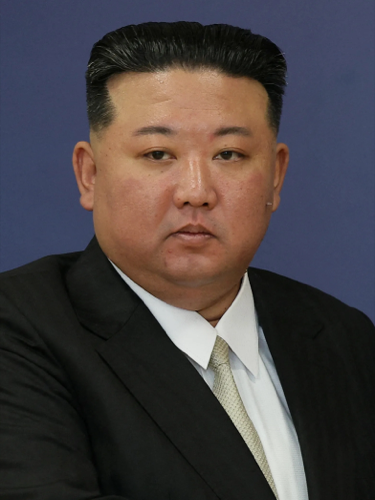
김정은은 북한의 핵 및 미사일 프로그램에 대한 엄격한 통제를 유지하면서 한반도에서의 외교적 도발을 강화했으며, 특히 해외 분쟁에 배치된 북한 군인들을 둘러싼 분쟁을 통해 이를 심화시켰다.
전체 보고서 읽기줄여서 보기
핵무기 및 미사일 프로그램 가속화
김정은의 지도 아래 북한은 2026년에 무기 개발을 국가 정책의 중심으로 우선시했다. 미사일과 공격은 지정학적 모니터링 시스템이 추적하는 최고 우선순위 신호 중 하나이며, 김정은의 지도 결정과 직접 연결된 60개의 추적 사건이 있다. 국제 제재에도 불구하고 정권은 계속해서 전달 체계를 시험하고 탄두 무기고를 확대하고 있다. 이러한 무기 중심은 김정은이 핵 능력이 체제 변화에 대한 유일한 실행 가능한 억제력을 제공하며 서울, 워싱턴 또는 도쿄와의 향후 협상에서 영향력을 극대화한다고 계산한 것을 반영한다.
북한 군인을 둘러싼 외교적 긴장 고조
2026년의 주요 사건은 북한이 해외 전역에 군인을 배치하면서 남한과의 심각한 외교적 마찰을 야기한 것이다. 남한은 북한 전쟁포로 문제를 둘러싼 분쟁으로 인해 우크라이나 주재 대사를 소환했으며, 이는 평양의 군사적 모험주의에 대한 직접적인 결과를 나타낸다. 동일한 긴장 상황으로 인해 남한은 북한 전쟁포로를 중심으로 한 관련 외교적 갈등으로 우크라이나 특사를 소환했다. 이러한 양상은 김정은이 예상치 못한 외교적 부채를 야기했고 북한 군인들을 한반도 외부의 분쟁에서 포로나 부상에 노출시킨 군대 배치를 승인했음을 시사한다. 이 분쟁은 남북한 간의 균열을 심화시켰으며 북한 정권이 다른 곳의 전략적 이득을 위해 국제적 고립의 위험을 감수할 의사가 있음을 드러냈다.
지역 안보 대응
South Korea's response to North Korean threats has accelerated weapons development independently of allied support. South Korea test flew its first domestically developed hypersonic weapon in 2026, demonstrating that Kim Jong Un's aggressive posture is triggering a regional arms race rather than submission. This creates a feedback loop where North Korean provocations prompt Seoul to invest heavily in its own advanced capabilities, strengthening South Korea's defensive position over the medium term. The hypersonic test represents a technological threshold that diminishes North Korea's previous military advantages and raises the costs of any future conflict Kim Jong Un might consider initiating.
현재 전략적 위치
Kim Jong Un's influence score of 25 out of 100 reflects his limited capacity to shape outcomes beyond the Korean peninsula or secure meaningful diplomatic wins despite controlling a nuclear arsenal. His primary connections remain concentrated within North Korea itself, with 88 tracked signals originating from internal regime activity, indicating that North Korea's actual leverage in global affairs remains constrained by economic isolation and limited diplomatic partners. The 2026 pattern shows Kim Jong Un pursuing high risk strategies, military expansion, and soldier deployments to maintain regime prestige and strategic relevance, but facing escalating costs from allied responses and failed diplomatic openings.