엠마뉘엘 마크롱은 왜 퇴임하는가
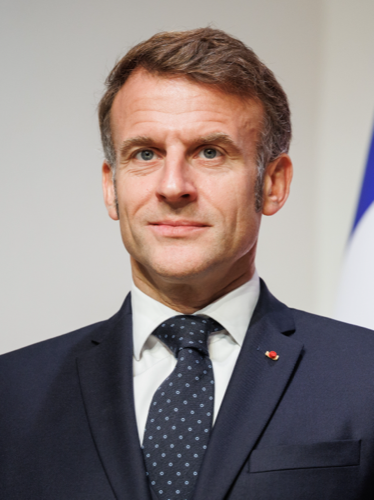
Emmanuel Macron is not leaving office.
As of 2026, he remains President of France, though his political position has significantly weakened amid domestic unrest and policy challenges.
전체 보고서 읽기줄여서 보기
The Persistence of Macron's Presidency Despite Crisis
Macron continues to serve as France's sitting president despite operating from a severely constrained political position. His influence score has collapsed to 4 out of 100, reflecting the dramatic erosion of his political capital over his nine year tenure since 2017. Unlike predecessors who faced terminal political crises forcing resignation, Macron has remained in the Elysee Palace through sheer institutional persistence, though his ability to govern effectively has become severely limited. The distinction between holding office and exercising power has never been more pronounced in his case.
Waves of Domestic Unrest and Social Fracture
France has entered a period of sustained labor and protest activity that has overwhelmed Macron's containment efforts. Recent signals tracking 76 distinct events tied to France show the president attempting to manage successive waves of strikes, with reports of France being hit by new protest movements even as he seeks to prevent a repeat of October unrest. These are not isolated incidents but represent a structural breakdown in social consensus around his government's policies. The cumulative effect has drained whatever reservoir of political goodwill remained from his 2017 election and 2022 reelection, leaving him politically isolated even within his own centrist coalition.
European Leadership and International Constraints
Macron has attempted to offset domestic weakness through European and international engagement, including leadership on Ukraine support efforts. Intelligence tracking shows 3 signals related to nuclear weapons and 4 signals focused on elections in his immediate policy sphere. However, France's internal paralysis has limited his ability to project influence externally or shape European outcomes as decisively as earlier in his presidency. His commitment to maintaining France's nuclear deterrent and European defense initiatives continues, but these cannot compensate for the loss of domestic political authority that undermines any president's international standing.
The Constitutional Barrier to Exit
French constitutional law presents a practical barrier to early departure that Macron has not chosen to breach. The Fifth Republic does not permit the sitting president to dissolve parliament unilaterally without triggering new elections, and Macron has shown no indication of seeking early presidential elections that might resolve the impasse or force his exit. Instead, the pattern suggests he will serve out his seven year term until 2027, governing through what amounts to a caretaker presidency with minimal legislative achievements. His decision to remain in office despite severely diminished influence reflects both institutional constraints and the absence of any mechanism forcing voluntary departure.