Waarom is Gaza in conflict
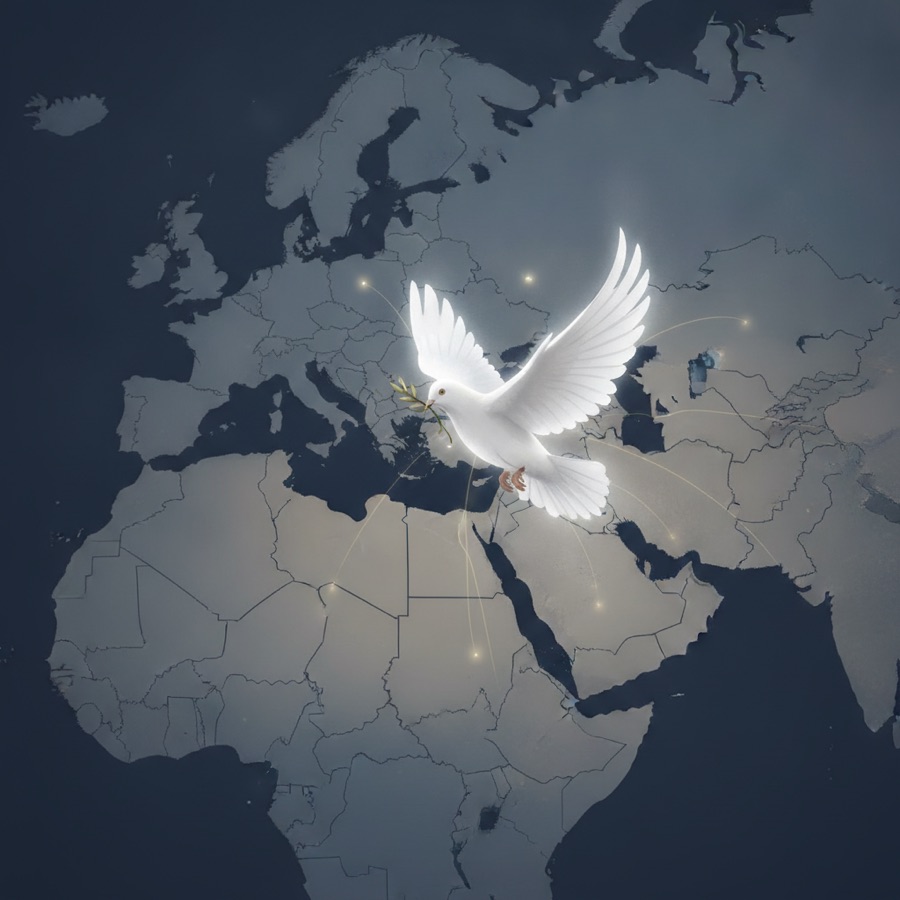
Het Gazaconflict voortvloeit uit concurrerende territorialeVorderingen, decennia van Israëlische militaire bezetting en blokkade, en Palestijnse verzetsbewegingendie sinds 2023 zijn geëscaleerd.
De oorlog in 2024 doodde meer dan 40.000 Palestijnen en verplaatste het grootste deel van de bevolking van het grondgebied, waarbij internationale organen oorlogsmisdrijven onderzoeken.
Lees het volledige rapportMinder weergeven
Hoofdoorzaken: Grondgebied en bezetting
Gazastrook staat sinds 1967 onder Israëlische militaire controle, met een streng blokkade sinds 2007 die de beweging van mensen en goederen beperkt. Het grondgebied is thuis voor ongeveer 2,3 miljoen Palestijnen die in een van de hoogste bevolkingsdichtheden ter wereld leven. Palestijnse politieke facties, inclusief Hamas en de Palestijnse Autoriteit, hebben decennia lang onafhankelijkheid en zelfbestuur nagestreefd via onderhandelingen en gewapende verzet. Het fundamentele geschil concentreert zich op de vraag of Israëli's en Palestijnen in hetzelfde grondgebied kunnen samenleven, hoe grenzen moeten worden getrokken, en welke rechten elke bevolking op het land heeft.
De escalatie en oorlog van 2023
On October 7, 2023, Hamas launched a major attack into southern Israel that killed approximately 1,200 people and took hostages. Israel responded with a comprehensive military campaign in Gaza that has killed more than 40,000 Palestinians according to Gaza health authorities, with total casualties potentially much higher when accounting for indirect deaths. The war displaced nearly the entire population of Gaza, creating a humanitarian catastrophe with severe shortages of food, water, and medical supplies. International institutions including the United Nations have opened investigations into potential war crimes and genocide allegations, with one UN inquiry concluding that ceasefire efforts have not stopped alleged Israeli violations.
Huidige politieke dynamica
Israel held elections in late 2025 that raised questions about the country's future policy toward Gaza and broader regional strategy. The signal volume tracked on these elections reached significant levels, with 24 tracked signals related to Israel's political situation and its implications for Gaza. International observers questioned how Israeli election results would affect ceasefire negotiations and reconstruction efforts in the devastated territory. The composition of Israel's government continues to shape whether diplomatic solutions or military approaches will dominate policy toward Palestinian territories.
Weg vooruit
A sustainable resolution requires addressing the underlying territorial dispute, the status of Israeli settlements in the West Bank, the fate of Palestinian refugees, and mechanisms for Palestinian self determination. Multiple ceasefire agreements have been negotiated since 2024, yet implementation remains incomplete and fragile. The international community, including the United States, Egypt, Qatar, and various UN bodies, continues mediating between Israeli and Palestinian leadership. Without fundamental agreement on borders, refugee rights, and political status, cycles of escalation and humanitarian crisis are likely to continue.