Hoe beïnvloedt de Oekraïneoorlog het Verenigd Koninkrijk
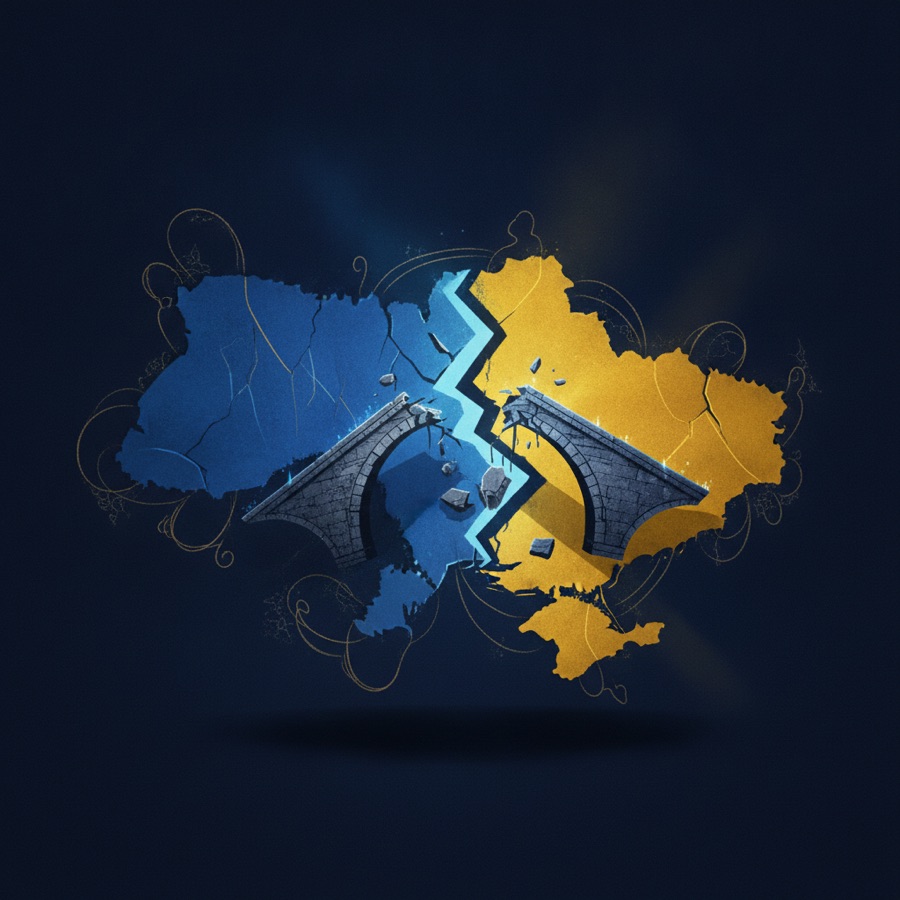
De Oekraïneoorlog heeft de uitgaven voor defensie in het Verenigd Koninkrijk verhoogd, energiemarkten belast en NATO-verplichtingen verdiept.
Groot-Brittannië wordt geconfronteerd met hogere inflatie, veiligheidsbedreigingen en financiële kosten voor ondersteuning van Oekraïense wapens en vluchtelingen.
Lees het volledige rapportMinder weergeven
Energiezekerheid en impact op de levensstandaard
Het Oekraïne-conflict heeft het energielandschap van Groot-Brittannië sinds de invasie van Rusland in 2022 fundamenteel veranderd. De regering van het Verenigd Koninkrijk handelde snel om de afhankelijkheid van Russisch gas te verminderen, dat voorheen ongeveer 4 procent van Groot-Brittannië's totale gasverbruik leverde maar marktvolatiliteit veroorzaakte die alle Europese prijzen beïnvloedde. Groothandelsenergiekosten stegen dramatisch in 2022 en 2023, wat bijdroeg aan inflatie die in oktober 2022 11,1 procent bereikte, het hoogste in 41 jaar. Hoewel energieprijzen sindsdien zijn gematigd, blijft de verstoring van wereldwijde toeleveringsketens en grondstoffenmarkten door de oorlog voortdurend opwaartse druk uitoefenen op huishoudrekeningen en bedrijfsexploitatiekosten in heel de economie van het Verenigd Koninkrijk.
Defensie-uitgaven en NATO-uitbreiding
Britain has committed substantial resources to supporting Ukraine militarily and maintaining NATO readiness. The UK provided over 12 billion pounds in military aid to Ukraine between 2022 and 2026, including air defense systems, artillery ammunition, and Storm Shadow cruise missiles. Domestically, UK defense spending has increased significantly, with the government committing to raise defense spending to 2.5 percent of GDP by 2030, reversing decades of budget constraints. This expansion directly strengthens NATO's eastern flank and Britain's military capabilities, but diverts resources from other government priorities including the NHS and public services.
Herhuisvesting van vluchtelingen en maatschappelijke integratie
The UK accepted approximately 200,000 Ukrainian refugees under the Homes for Ukraine scheme and other resettlement programs by 2026. These arrivals created both humanitarian and administrative challenges, requiring housing provision, English language training, and employment support. Local councils have borne significant costs supporting Ukrainian communities, straining social services in many areas. However, Ukrainian workers have also filled labor shortages in healthcare, hospitality, and agriculture, providing some economic offset to integration expenses.
Inlichtingen en diplomatische positionering
British intelligence agencies have maintained heightened focus on Russian activities and NATO deterrence. According to recent GeoGazet tracking data, Russia generated 84 tracked signals regarding Ukraine, while Ukraine generated 78 signals, reflecting the intensity of ongoing operations and communications. Zelenskyy has publicly criticized US commitment levels while calling for expanded Starlink access and other technological support, with Britain providing incremental assistance but facing pressure to match larger allied contributions. The UK's close intelligence relationship with the US and EU positions it as a key NATO information hub, but this role requires sustained investment in monitoring capabilities and allied coordination as the conflict continues through 2026 with no immediate diplomatic resolution visible.