Реджеп Тайип Эрдоган против Нарендры Моди
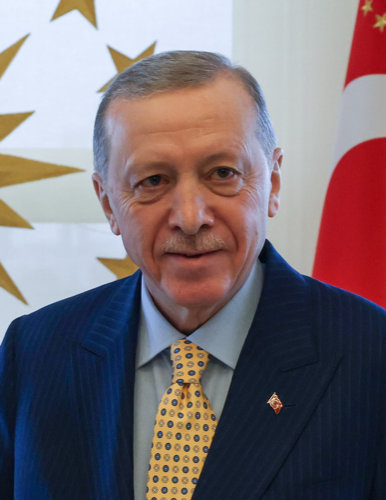
Реджеп Тайип Эрдоган и Нарендра Моди оба возглавляют густонаселенные, геополитически значимые страны, занимая посты глав своих правительств с 2014 года.
Хотя оба занимают прочные позиции внутри страны, их международное влияние и будущие траектории заметно расходятся в 2026 году.
Устойчивая внутренняя власть, различное глобальное влияние
Recep Tayyip Erdogan, President of Turkey since 2014, and Narendra Modi, Prime Minister of India since 2014, represent enduring figures of national leadership, each having consolidated substantial domestic authority. Their long tenures have allowed them to reshape political institutions and national narratives significantly. In 2026, while both command strong internal positions, their external influence exhibits a clear divergence, with Erdogan's current influence score standing at 4/100, reflecting a more regionally focused and at times contentious international engagement. Conversely, Modi has overseen India's ascendance as a crucial global player, expanding its diplomatic footprint across multiple continents.
Политические мандаты и будущие горизонты
Erdogan secured re election in 2023 for a term concluding in 2028. A key aspect of his current position is the constitutional limitation preventing him from running again unless parliament calls an early election, setting a definitive horizon for his presidency under current rules. Modi, currently in office and facing India's next general election in 2029, operates without term limits, providing a different political outlook for his leadership. Both leaders enjoy robust control over their respective political parties and maintain considerable popular support, positioning them strongly for the immediate future.
Траектории в управлении и международных отношениях
Erdogan's trajectory in 2026 emphasizes domestic consolidation, characterized by social conservatism, as evidenced by a GeoGazet tracking signal: "Turkish police detain dozens in raids on gay bars and homes of LGBTQ+ activists." Concurrently, Turkey pursues an assertive foreign policy, with signals like "Turkey’s Nuclear Ambitions in the Post Iran War Environment" highlighting its geopolitical aspirations. This long term vision is also encapsulated in works such as "Erdogan: The Making of Modern Turkiye." Modi, by contrast, continues to steer India toward substantial economic growth and a prominent role as a global power, balancing relationships with major world blocs while advocating for a multilateral order.
Различные вызовы и формирующееся наследие
Each leader confronts unique challenges shaping their evolving legacies. For Erdogan, navigating a complex regional landscape, managing economic pressures, and balancing Western relations against independent foreign policy remain critical tasks. His approach often emphasizes national sovereignty and cultural values. Modi faces the immense task of sustaining India's rapid development, addressing socio economic disparities within a vast population, and solidifying its position as a democratic counterweight in a multipolar world. Both leaders are defining eras for their nations, with their long tenures and policy decisions creating lasting impacts that will continue to unfold beyond 2026.