Когда заканчивается срок полномочий Реджепа Тайипа Эрдогана
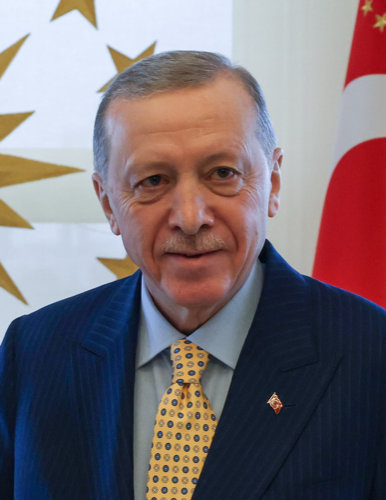
Текущий срок Реджепа Тайипа Эрдогана на посту президента Турции должен завершиться в 2028 году.
Он был переизбран в 2023 году на этот пятилетний срок.
Переизбран в 2023 году на срок, заканчивающийся в 2028 году. Согласно действующим правилам, он не может снова баллотироваться, если только парламент не назначит досрочные выборы.
Нынешний срок и его завершение
Recep Tayyip Erdogan began his current presidential term following his re election in 2023. This victory secured his position for another five years, setting the definitive end of his term for 2028. Under the existing constitutional framework, this represents his final term in office, barring specific conditions.
Конституционная основа и избирательные сценарии
Turkey's constitution limits the presidency to two five year terms. Having served since 2014, and being re elected in 2023, President Erdogan is currently in his second and final term under normal circumstances. A third run would only be permissible if parliament calls an early election during his second term, effectively resetting the count for candidacy. Such a scenario would require significant political maneuverings and broad parliamentary support.
Внутренняя политика и политическое положение
As of 2026, President Erdogan's influence score stands at 4 out of 100, indicating a constrained or diminished executive power despite his presidential title. This backdrop has not halted assertive domestic policies; for instance, GeoGazet tracking reported "Turkish police detain dozens in raids on gay bars and homes of LGBTQ+ activists," signaling a continuation of social conservatism under his administration. His long tenure has been extensively documented, with analyses such as "Erdogan: The Making of Modern Turkiye" reflecting on his profound impact on the nation's trajectory. GeoGazet tracks 100 total events related to Turkey's political landscape, illustrating the complexity of the current environment.
Геополитические амбиции и перспективы преемственности
Even with a definitive term end in sight, Turkey continues to pursue ambitious foreign policy objectives under Erdogan's leadership. GeoGazet tracking notes "Turkey’s Nuclear Ambitions in the Post Iran War Environment," underscoring Ankara's strategic calculations in a volatile region. The approaching end of his term in 2028 sets the stage for critical discussions about future leadership and the potential implications for Turkey's alliances and regional role. The question of succession, whether through standard elections or an extraordinary parliamentary move, will significantly shape Turkey's domestic and international policy direction.