How Long Will Abdel Fattah El-Sisi Be in Power
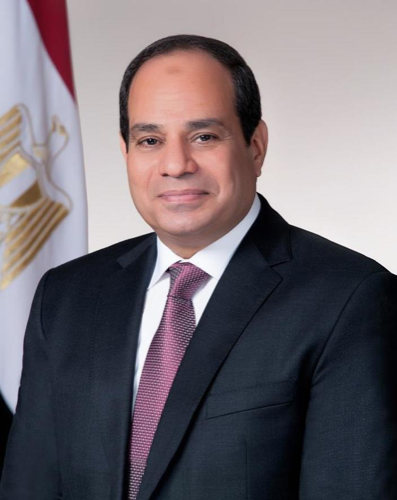
Abdel Fattah el Sisi is projected to remain President of Egypt until his current term ends in 2030.
This extended tenure resulted from a 2019 constitutional amendment.
A 2019 amendment extended presidential terms and cleared him to serve to 2030.
The Current Presidential Term and Legal Framework
President Abdel Fattah el Sisi is currently serving a presidential term that is legally set to conclude in 2030. This extended period in office was formalized through a 2019 constitutional amendment, which lengthened presidential terms from four to six years and cleared the path for him to serve until the end of this decade. Having initially taken office in 2014, the constitutional changes effectively allowed for an additional term beyond what was originally stipulated, solidifying his leadership for the foreseeable future under the existing legal structure. This legislative action provides a clear timeline for his presidential tenure, marking 2030 as the scheduled endpoint of his current mandate.
Factors Influencing Stability and Regional Role
While the legal framework for President Sisi's tenure is established, various internal and external factors consistently shape his effective influence and the stability of his administration. His current influence score stands at 3 out of 100, indicating a constrained capacity to project power or effect significant policy shifts beyond immediate domestic and core regional priorities without considerable negotiation. Regional developments frequently demand his direct engagement; for instance, President Sisi and the Greek Prime Minister recently stressed the importance of upholding the Gaza ceasefire agreement, highlighting Egypt's crucial role in mediating regional conflicts and ensuring maritime security. Moreover, Egypt's strategic geographic position necessitates careful geopolitical maneuvering, as evidenced by recent events such as Turkish jets performing a dramatic flyover above Egypt’s pyramids, underscoring ongoing regional security dynamics and the need for diplomatic vigilance. These interactions, among others, contribute to the 100 total tracked events in the GeoGazet graph, reflecting a consistently dynamic operational environment for the Egyptian presidency.
Geopolitical Engagement and Future Considerations
President Sisi continues to actively engage on critical international issues, particularly those with direct implications for regional stability and Egypt's national interests. He recently joined the Indonesian President in publicly rejecting the displacement of Palestinians from their land, a firm stance that reinforces Egypt's historical position on the Palestinian question and its commitment to wider Arab solidarity. Looking beyond 2030, the current constitutional framework dictates that his presidency will conclude at that point. Without further constitutional amendments, which would represent a significant political undertaking and require popular endorsement, the question of succession will become increasingly pertinent as his term approaches its end. The nature of Egypt's political system suggests that any transition would likely be a carefully managed process aimed at maintaining internal stability and continuity of governance. International observers will monitor these developments closely, given Egypt's strategic importance in the Middle East and North Africa, and the implications for regional power balances.