How Long Will Abdel Fattah El-Sisi Stay in Office
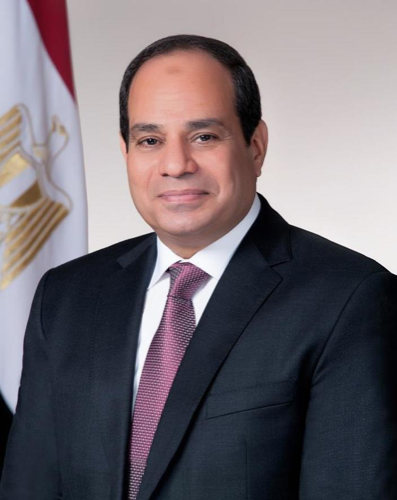
President Abdel Fattah el Sisi is expected to remain in office until 2030, following a 2019 constitutional amendment extending presidential terms.
This marks the scheduled end of his current tenure.
A 2019 amendment extended presidential terms and cleared him to serve to 2030.
Current Mandate and Scheduled Term End
Abdel Fattah el Sisi assumed the presidency of Egypt in 2014 and is the current office holder as of 2026. His current term is scheduled to conclude in 2030. This extended tenure was made possible by a 2019 constitutional amendment package that lengthened presidential terms from four to six years and cleared him to serve through that date. The 2030 deadline is the legally established end of his current constitutional mandate, providing a clear timeline for his presidential term.
Political Stability and International Engagement
President el Sisi maintains a strong grip on power within Egypt, characterized by centralized control. Despite a current influence score of 3 out of 100, which suggests limited external or broad popular influence, his administration actively directs domestic and foreign policy. Evidence of his ongoing leadership includes his active role in regional diplomacy; for instance, President Sisi recently engaged with the Greek Prime Minister to stress the importance of upholding the Gaza ceasefire agreement. Furthermore, he joined Indonesia's president in rejecting the displacement of Palestinians from their land, demonstrating his continued engagement on critical regional issues. These diplomatic actions are part of the 100 total tracked events in GeoGazet, illustrating his consistent presence and decision making on the international stage.
Future Political Landscape and Potential Pathways
The constitutional amendments of 2019 specifically set President el Sisi's term end at 2030. While these amendments also introduced provisions that, in theory, could allow for further re election under certain conditions, any deviation from the currently stipulated 2030 end date would necessitate significant new political maneuvers or further constitutional modifications not presently in place. The political landscape leading up to 2030 will likely involve careful management of domestic stability and continued regional engagement. As 2030 approaches, the focus will naturally shift towards the constitutional requirements for presidential succession or the potential for new electoral cycles, unless further unforeseen constitutional changes occur.