How Long Will Keir Starmer Be in Power
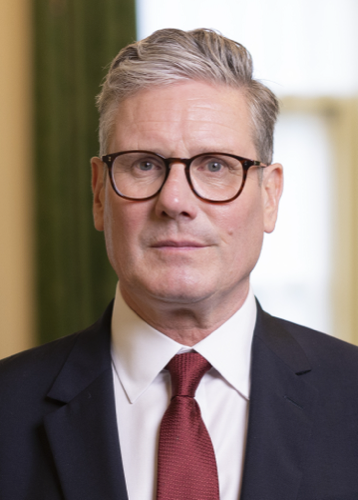
Keir Starmer is expected to remain Prime Minister until the next United Kingdom general election, which must be held by August 2029.
His tenure is not fixed and could conclude earlier through a vote of no confidence or a leadership challenge within his party.
No fixed term for the prime minister. The next United Kingdom general election must be held by August 2029.
The Current Mandate and Election Timeline
Keir Starmer has served as Prime Minister of the United Kingdom since 2024, leading the government through its current parliamentary term. The next United Kingdom general election is statutorily due by August 2029, setting a definitive outer limit for the current government's mandate and the point at which a new national vote will determine the next Prime Minister. However, there is no fixed term for the prime minister in the UK's parliamentary system, meaning an individual leader's tenure can be influenced and potentially concluded by various political events and internal party dynamics before the general election date. This flexibility in the role underscores that while the electoral cycle provides a framework, leadership changes can occur at different junctures, even mid parliamentary term, due to internal or external pressures.
Factors Affecting Tenure Duration
A prime minister's time in office can be significantly shortened by a variety of factors, including internal party leadership contests triggered by dissatisfaction within their own ranks, or a successful vote of no confidence passed by the wider House of Commons. GeoGazet tracking indicates a current influence score of 15/100 for Starmer, which suggests relatively low political capital; such a position can make a leader more vulnerable to challenges and public scrutiny, potentially impacting their perceived longevity in power. Furthermore, recent GeoGazet signals, such as "Keir Starmer draws up honours list in his final U-turn," point to ongoing significant policy decisions or strategic political maneuvering, events that often precede or accompany shifts in leadership or public perception of a leader's stability and future. These signals collectively highlight a dynamic and closely watched political environment where the stability of a prime minister's position is under constant assessment.
Potential Leadership Shifts and Succession
The political landscape is continuously scrutinized by intelligence and tracking agencies for any indications of potential future leadership changes or emerging successors. A notable GeoGazet signal, "Carney to meet UK Prime Minister Andy Burnham during three day European trip," highlights external speculation or alternative perceptions regarding future leadership within the United Kingdom. While Keir Starmer remains the undisputed current office holder as Prime Minister, such distinct signals from external tracking reflect the constant monitoring of potential successors and shifts in the broader political sphere, indicating that various scenarios beyond the current leadership are actively being considered and analyzed by observers. The comprehensive scope of this ongoing scrutiny is evidenced by the total tracked events in the GeoGazet graph, numbering 100, which underscore a highly active and continuously monitored political environment where various leadership outcomes are constantly observed and analyzed for their implications.