Warren Buffett 2026 Entrevista
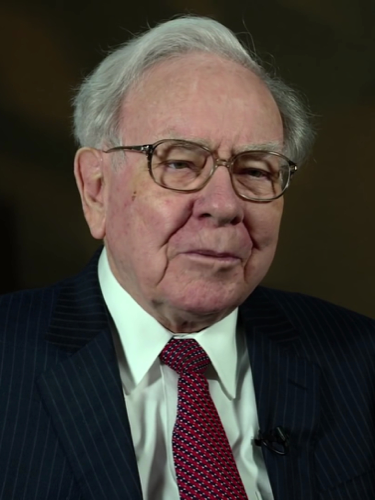
Warren Buffett continua como CEO da Berkshire Hathaway em 2026, com uma pontuação de influência de 49/100.
Os desenvolvimentos recentes mostram Greg Abel dirigindo decisões estratégicas enquanto Berkshire atinge novos níveis de mercado.
Leia o relatório completoMostrar menos
Liderança em andamento e Realidade de Sucessão de Buffett
Warren Buffett continua como chefe executivo de Berkshire Hathaway, cargo que ocupa desde 1970. Aos 95 anos de idade, Buffett continua ativamente envolvido na direção estratégica da empresa, embora a organização tenha distribuído cada vez mais autoridade de tomada de decisão para Greg Abel, o sucessor designado e atual vice-presidente. A transição representa uma estrutura de gestão deliberada em vez de uma transferência formal, permitindo que Buffett mantenha influência enquanto prepara a empresa para a continuidade além de seu mandato.
A expansão do papel de Greg Abel na atribuição de tecnologia e capital
Greg Abel has become the public face of Berkshire's investment strategy in recent years, with particular focus on technology acquisitions. Recent reporting notes that Abel has directed several significant technology stock purchases on behalf of the company, signaling a shift in Berkshire's traditionally conservative approach to the sector. This change reflects Abel's influence over major capital allocation decisions and his willingness to move Berkshire into growth oriented positions that differ from Buffett's historical playbook. The moves indicate that succession planning has already begun materializing through substantive business decisions rather than symbolic gestures.
Desempenho do Mercado e Confiança Institucional
Berkshire Hathaway stock has reached new highs in 2026, demonstrating continued investor confidence in the company's operations and future prospects. According to tracking data compiled across 100 recent events in the company's sphere, the headline "Berkshire Stock Hits New High, Moving on From Buffett's Exit" captures a significant market sentiment: investors view the company as successfully transitioning beyond its founder's era. This performance validates the succession strategy and suggests that Berkshire's institutional strength transcends any single individual, a critical benchmark for the long term health of any major corporation.
O princípio duradouro por trás do legado de Buffett
Despite the generational shift underway, analysis of Buffett's career identifies a consistent contributing factor to his success that remains operative: disciplined capital allocation and patience during market downturns. This principle, proven across decades of market cycles, appears to be the methodology that Abel is implementing as he manages Berkshire's portfolio. Buffett's influence score of 49/100 reflects a leader in transition who has successfully embedded his strategic philosophy into organizational systems and successor leadership. The company's current trajectory suggests that Buffett's most significant contribution may ultimately be the durable decision making framework he left behind rather than any single investment call or business decision made in 2026.