Discurso de Úrsula von der Leyen 2026
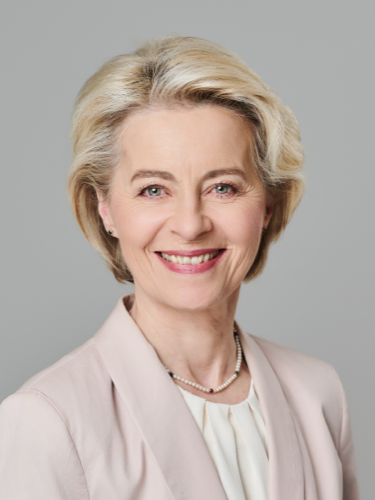
Úrsula von der Leyen, Presidente da Comissão Europeia desde 2019, entregou discursos políticos importantes em 2026 focados em estratégia do Ártico, resiliência da UE e competição geopolítica com Rússia e Estados Unidos.
Sua pontuação de influência permanece no máximo (100/100) enquanto ela molda a resposta institucional europeia ao aquecimento global e ameaças de segurança no extremo norte.
Leia o relatório completoMostrar menos
Estratégia Ártica e Segurança Climática
Úrsula von der Leyen colocou a política do Ártico no centro de suas mensagens de 2026 quando a Comissão Europeia apresentou um novo impulso para o Ártico em resposta às rápidas mudanças ambientais e à competição militar. A UE revisou sua estratégia para o Ártico sob pressão da Rússia e dos Estados Unidos, com von der Leyen enquadrando a governança do Ártico como essencial para a segurança europeia e a estabilidade climática. Seus discursos enfatizaram que as águas em aquecimento estão abrindo novas rotas de navegação e pontos de acesso a recursos que exigem ação europeia coordenada em vez de respostas unilaterais. Isso representou uma escalada significativa na atenção da UE para uma região historicamente marginal às prioridades políticas de Bruxelas.
Resposta Europeia Coordenada
Von der Leyen worked closely with António Costa, President of the European Council, to present unified messaging on Arctic and broader geopolitical challenges. A joint statement from both leaders underscored the European Commission and Council alignment on security threats reshaping the Arctic region. Her rhetoric emphasized that European institutions must act cohesively to counterbalance pressure from Moscow and Washington, each pursuing competing strategic interests in the north. This coordination signaled that von der Leyen retained institutional authority to shape EU collective action despite fragmented member state interests.
Poder Institucional e Longevidade
Von der Leyen's continued prominence in 2026 reflects her consolidation of European Commission leadership since taking office in 2019. With seven years in the role and no announced successor, she has become the institutional face of EU executive power during a period of intensifying great power competition. Her speeches positioned the Commission as the primary actor for developing rapid, unified responses to Arctic developments that individual member states cannot address alone. This elevated the Commission's role in security policy, traditionally dominated by member state governments and the European Council.
Contexto Geopolítico
Von der Leyen's 2026 Arctic focus reflects the broader realignment reshaping European politics and security strategy. Climate change is accelerating Arctic ice melt faster than most models predicted, creating genuine strategic urgency beyond rhetorical positioning. Russian military expansion in the Arctic and American renewed interest in polar strategy created competitive pressure that forced the EU to develop coherent responses rather than allowing member states to negotiate bilaterally with Moscow or Washington. Von der Leyen's speeches framed European Commission action on Arctic governance as foundational to EU independence and strategic autonomy in the 2020s.