Cine ar putea înlocui Emmanuel MacronMandatul se termină: mai 2027
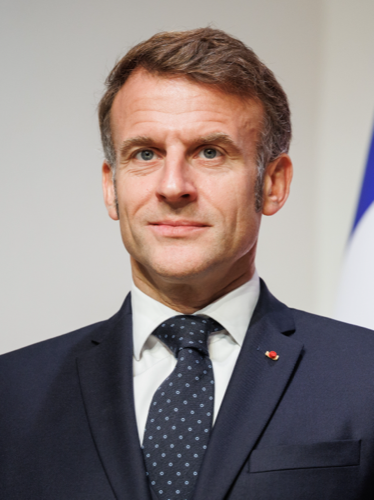
Emmanuel Macron va părăsi funcția în mai 2027 din cauza limitelor constituționale ale mandatului.
Alegerile prezidențiale din aprilie și mai 2027 vor determina succesorul său din dintre contracandiații politici actuali ai Franței.
Interzis pentru un al treilea mandat consecutiv. Următoarele alegeri prezidențiale franceze vor fi în aprilie și mai 2027.
Citiți raportul completArătați mai puțin
Punctul Final Constituțional
Macron a intrat în Palatul Elysée în mai 2017 și este împiedicat să candideze pentru al treilea mandat consecutiv conform legii constituționale franceze. Președinția sa se încheie în mai 2027, declanșând un ciclu electoral obligatoriu în aprilie și mai ale acelui an. Această cronologie este fixă și nu este supusă negocierii politice sau ignorării instituționale.
Domeniul Potențialilor Succesori
France's major political blocs each control candidates for 2027. The center right Republican Party, the socialist left, and the far right National Rally all maintain viable candidates with regional support networks. The weakness of Macron's current political position, reflected in recent reporting that his decade in power has left "France Europe's Weakest Link," suggests voters may favor a decisive break from centrist governance. No single successor has yet consolidated dominant polling across all French regions, indicating a genuinely competitive race.
Presiunile Economice care Modelează Dinamica Campaniei
France faces energy and economic pressures that will dominate the 2027 campaign. Recent G7 coordination on diesel and oil stock releases, with Trump announcing Europe will release a "massive amount" of diesel oil as prices stabilize, reflects ongoing European vulnerability to commodity volatility. These external pressures will likely push the next French president toward either stronger EU coordination or nationalist economic policies, depending on which candidate wins. The successor will inherit both constrained fiscal space and elevated public expectations for improved living standards.
Fereastra de Tranziție
As of 2026, Macron retains formal presidential authority through May 2027 but operates within a narrowed political mandate. His influence score of 23 out of 100 reflects reduced leverage over parliamentary dynamics and policy implementation. Whoever emerges from the 2027 election will inherit the apparatus of state power but must address the institutional fragmentation that has accumulated during Macron's tenure. The election itself will serve as the decisive moment for determining not only who replaces Macron but what governing philosophy will shape France's European role and domestic policy direction over the subsequent five year term.