Cum vor afecta tarifele lui Donald Trump Regatul Unit
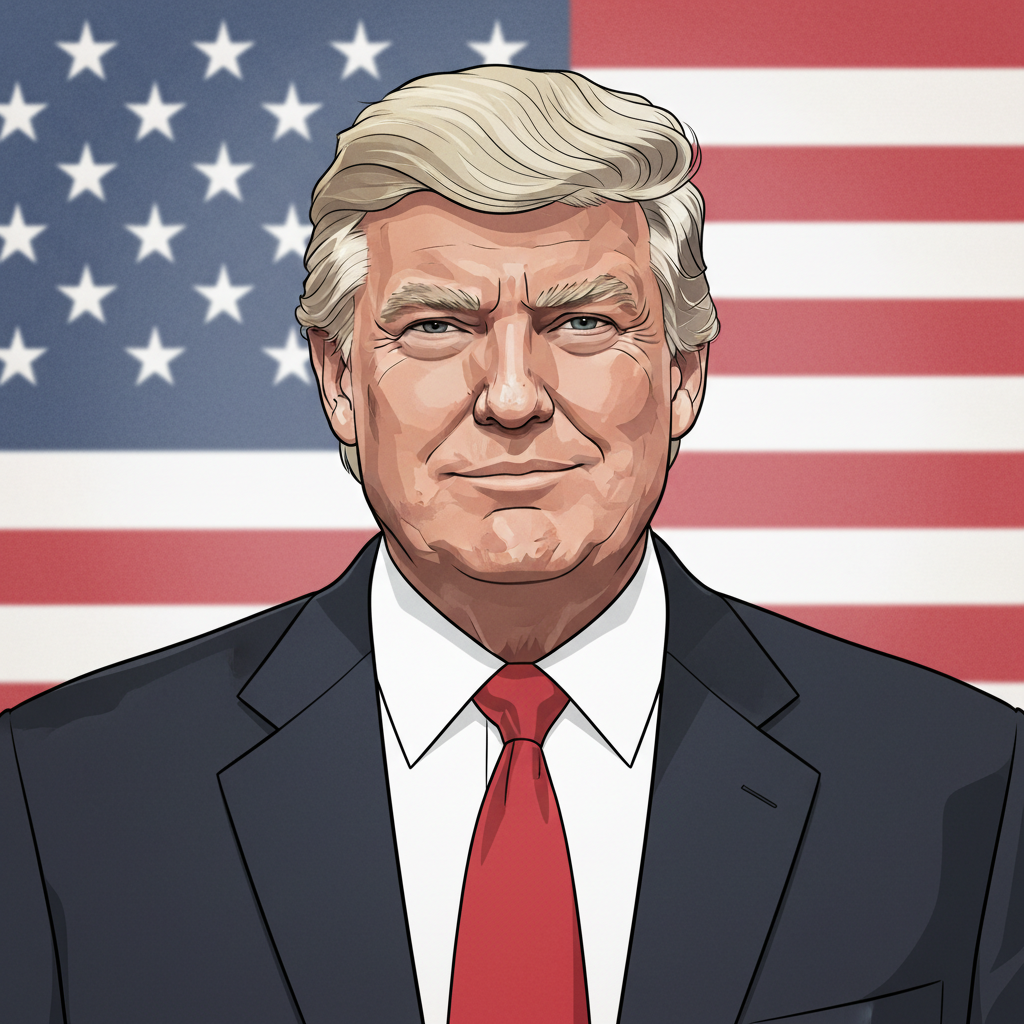
Regimul tarifar al lui Trump din 2026 amenință creșterea din Regatul Unit prin costuri mai mari de import, acces comercial redus și cicluri de retaliație care au început deja să afecteze comerțul bilateral.
Regatul Unit se confruntă cu tarife de 15 până la 25 la sută pe produse manufacturate și produse agricole, creând presiuni imediate asupra costurilor pentru consumatori și întreprinderi dependente de lanțurile de aprovizionare din SUA.
Citiți raportul completArătați mai puțin
Cadrul tarifar imediat
Trump's administration implemented a tiered tariff structure starting in January 2025, with baseline rates of 10 to 15 percent on most imports and escalating duties on specific sectors. The UK, as a non exempted trading partner despite historical alliance status, faces the same treatment as other developed economies. Steel and aluminum tariffs reach 25 percent, directly impacting British manufacturers in automotive, aerospace, and construction sectors. These measures, tied to Trump's stated goal of reshoring manufacturing, create an immediate cost shock for UK exporters and importers reliant on US market access.
Impactul asupra comerțului și creșterii din Regatul Unit
British exporters of whisky, pharmaceuticals, and financial services face retaliatory pressure and margin compression. The Office for Budget Responsibility downgraded UK growth forecasts by 0.4 percentage points in mid 2025, citing trade uncertainty as a primary factor. UK imports from the United States, valued at approximately 40 billion pounds annually, now carry tariff premiums that filter through supply chains into consumer prices for electronics, automotive parts, and machinery. Companies like Rolls Royce and AstraZeneca, which depend on US component sourcing and market access, reported earnings pressure by late 2025.
Răspunsul strategic și negocierile Regatului Unit
The British government pursued negotiated exemptions through bilateral talks but achieved only limited success on specific sectors like aircraft parts and luxury goods. Trade negotiations remain active but unresolved, with the UK seeking preferential treatment that other G7 economies also requested. The government simultaneously diversified trade partnerships with India, Australia, and CPTPP members to reduce US dependence. However, these arrangements cannot replace lost US market access in the short term, creating a structural economic headwind through 2026.
Consecințele interne din Regatul Unit
Inflation pressures emerged in early 2026 as tariff costs reach consumer goods, offsetting gains from earlier interest rate reductions. Manufacturing activity contracted in several regions dependent on US trade, particularly in the Midlands and North. Energy and technology companies, previously optimized around integrated North Atlantic supply chains, face operational restructuring costs. The British government faces a difficult choice between absorbing tariff costs through subsidies or passing them to consumers, both options constraining fiscal flexibility amid other spending pressures.