Как долго Нарендра Моди будет находиться у власти?
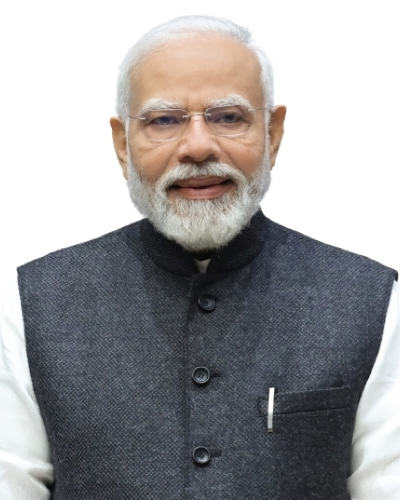
Нарендра Моди является нынешним премьер-министром Индии и, как ожидается, останется у власти по крайней мере до следующих всеобщих выборов, запланированных на 2029 год.
Конституция Индии не устанавливает ограничений по срокам для премьер-министра, что позволяет потенциальное переизбрание.
Индия не устанавливает ограничений по срокам для премьер-министра. Следующие всеобщие выборы должны состояться в 2029 году.
Нынешний мандат и перспективы выборов 2029 года.
Narendra Modi holds the position of Prime Minister of India, a role he has served in since 2014. As the current office holder, his term extends until the next general election, which is constitutionally due in 2029. The absence of term limits for the prime minister in India's political system means that Modi is eligible to seek additional mandates beyond his current tenure, a significant factor in long range power projections. Within the ruling party, there is a strong narrative of past achievements, exemplified by recent statements such as, "‘Corruption, casteism, dynastic politics has ended’: Amit Shah hails 12 years of Modi govt", indicating a confident outlook on governance and public perception.
Факторы, влияющие на будущий срок пребывания в должности
Future tenure for Prime Minister Modi will primarily depend on electoral performance in 2029, influenced by economic stability, social cohesion, and India's geopolitical standing. GeoGazet tracking shows India as a top connection with 97 tracked signals, highlighting domestic issues as central to political dynamics, alongside Economy & Rates (7 tracked signals) and United States (6 tracked signals) as key external influences. The government's handling of economic growth, inflation, and employment will be critical, as will its ability to navigate complex international relations, particularly with major global powers. Public approval, party unity within the Bharatiya Janata Party, and the effectiveness of opposition campaigns will also play decisive roles.
Стиль управления и динамика оппозиции.
The Modi government continues to project an image of decisive governance and efficiency, as seen in preparations for the BRICS Summit 2026 where "Modi Govt cuts VIP convoy rush as Ministers, CMs unite for a single bus ride in New Delhi". This action highlights a focus on reducing VIP culture and promoting collective leadership, potentially resonating with the public. Meanwhile, the opposition continues to articulate its critiques and alternative visions. For instance, during the same summit, "Congress calls for stronger Indian leadership, urges Modi govt to prioritise Global Sou", indicating a strategic effort to frame national and international policy debates. These public engagements and policy choices, spanning 100 total tracked events in the GeoGazet graph, contribute to the ongoing political discourse that will ultimately shape the electoral landscape leading up to 2029.