Saa Gani Ya Kuzaliwa kwa Sundar PichaiJuni 10, 1972
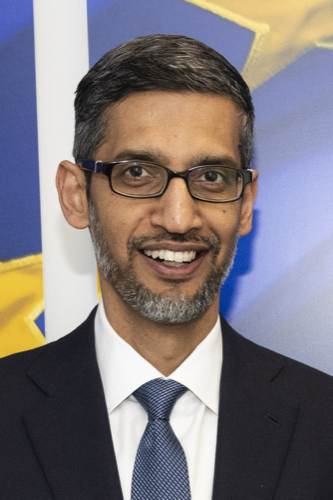
Sundari Pikhai alizaliwa tarehe 10 Juni 1972, ambayo inamsanya Pikhai kuwa na umri wa miaka 54, huko Madurai, Uhindi.
Chanzo: Wikipedia na Wikidata.
Last checked November 21, 2026.
Soma ripoti kamiliOnyesha kidogo
Mwenendo wa Ajira na Jukumu la Sasa
Pikhai alichukua uongozi wa Google na Alphabet mnamo 2015, na kuwa mmoja wa waongozaji wa teknolohia wenye ushawishi mkubwa ulimwenguni. Kabla ya tadhimira hiyo, alitumia zaidi ya dekada katika Google katika majukumu mbalimbali ya juu ya uhandisi na bidhaa, ikiwa ni pamoja na kuongoza maendeleo ya kiolesura cha Chrome. Kupanda kwake kwa nafasi ya juu kulionyesha imani ya kampuni katika maoni yake ya kimkakati wakati wa upanuzi mkubwa katika kompyuta za mabingu, akili bandia, na huduma za biashara. Muda wake wa utendaji umekubaliana na mabadiliko makubwa katika jinsi Google inavyoshindana katika soko la watumiaji na biashara.
Changamoto za Uendeshaji wa Sasa
Recent regulatory and operational headwinds have complicated Pichai's leadership. Finland has ordered a halt to work on Google data centre sites, signaling growing European resistance to the company's infrastructure expansion plans. These delays stem from environmental, data sovereignty, and regulatory concerns that plague technology giants attempting to build large scale operations across jurisdictions. Such setbacks underscore the complex geopolitical environment in which Pichai operates, where technical capability alone does not guarantee smooth project execution.
Shinikizo la Ushindani katika Soko za AI
The artificial intelligence landscape has intensified significantly, with OpenAI launching "dots," a personal AI assistant positioned as a comprehensive solution for user needs. This competitive move directly challenges Google's AI strategy and represents a shift in how AI assistants are being deployed and marketed to consumers. Pichai must navigate a market where Google's historical search dominance no longer guarantees leadership in emerging technology categories. The company's influence score currently stands at 2 out of 100 according to recent tracking metrics, reflecting diminished relative positioning compared to historical levels.
Hitimisho la Mkakati Linapoelekea Mbele
Pichai faces the dual challenge of defending Google and Alphabet's core profitable businesses while investing in next generation technologies where market leadership remains uncertain. Infrastructure projects face regulatory delays across multiple continents, restricting capital deployment options. Simultaneously, competitors have moved aggressively into AI assistant markets with products specifically designed to reduce user dependency on search. The next phase of Pichai's leadership will likely focus on restoring competitive position in AI while managing regulatory relationships more effectively across Europe and other key markets. His ability to execute on these fronts will determine whether Google and Alphabet can recapture strategic momentum in technology markets that are shifting rapidly away from their traditional strengths.