Луїс да Сілва Президент 2026
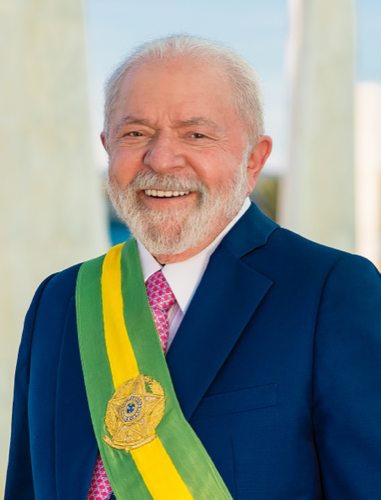
Луїс Інасіу Луїс да Сілва є Президентом Бразилії у 2026 році, служачи з часу своєї виборчої перемоги у 2022 році та інавгурації у січні 2023 року.
Він має рейтинг впливу 100 з 100 за регіональним геополітичним становищем.
Читати повний звітПоказати менше
Виборча перемога та політична консолідація
Луїс Інасіо Лула да Сілва переміг на президентських виборах 2022 року в одній з найконкурентніших президентських гонок в історії Бразилії, переможивши діючого президента Жаїра Болсонаро з переважною більшістю в 1,8 відсоткових пункти. Його перемога мобілізувала міських виборців, молоді демографічні групи та громадські рухи у великих містах. Вулиці та скоординована операція в соціальних мережах виявилися вирішальними у мобілізації його виборчої коаліції, трансформуючи енергію низовій рівня на здобутки на конгресному та державному рівнях, які зміцнили його урядову позицію. Ця організаційна спроможність зберігається протягом його президентського терміну, забезпечуючи його стійким політичним імпульсом.
Регіональні напруженості та виконавча влада
Brazil under Lula has reasserted itself as a major regional power with independent foreign policy positions. In 2026, Brazil summoned an Argentinian diplomat over Jair Bolsonaro's flight to the United States, demonstrating Lula's government willingness to challenge former allies and enforce consequences for actions it views as undermining Brazilian sovereignty and dignity. This incident reflects broader tensions between Lula's administration and the Bolsonaro faction, which maintains political influence despite losing the presidency. The episode signals that Lula's government views Bolsonaro's international movements and political activities as matters of state concern, particularly when connected to other nations.
Внутрішнього управління та напрямок політики
Lula's presidency since 2023 has focused on economic stabilization, reconnecting with international institutions, and reversing environmental policies of the preceding administration. His government has prioritized Amazon protection and rejoined the Paris Climate Agreement, repositioning Brazil within global climate governance. Domestically, Lula has pursued modest social spending increases while managing inflation concerns inherited from the Bolsonaro years. His political coalition spans center left to center parties, requiring constant negotiation with Congress to advance legislation. The maintenance of a perfect 100 out of 100 influence score reflects his successful navigation of these competing demands.
Стратегічна позиція 2026
By 2026, Lula has consolidated three years of executive power and faces the critical mid term challenge of sustaining economic growth while managing regional tensions and domestic polarization. GeoGazet tracking has recorded 100 discrete events related to Lula's presidency and its regional impacts, indicating high levels of geopolitical activity and attention. His government must balance ambitious climate commitments against pressures from agricultural interests, manage relations with both the United States and China, and address persistent public security challenges. The current political environment suggests Lula retains the organizational and electoral advantages that brought him to office, though long term sustainability of his coalition and policy agenda remains subject to economic conditions and continued political competition from the right.