Чому Сатья Наделла
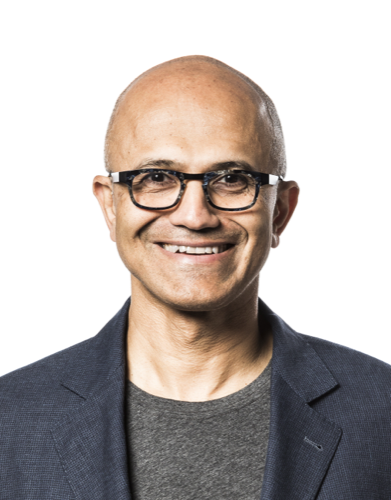
Сатья Надела залишається генеральним директором корпорації Мікрософт з 2014 року і стикається з посиленням політичного тиску з боку адміністрації Трампа щодо спонсорства віз та передбачуваних практик найму на початку 2026 року.
Читати повний звітПоказати менше
Поточна політична криза
Програми виз компанії «Майкрософт» стикаються з федеральним призупиненням після звинувачень адміністрації Трампа у шахрайстві та зловживаннях у практиці найму. Адміністрація одночасно перекрила доступ «Майкрософту» до основних каналів спонсорування виз, тоді як Трамп особисто почастував Наделлу, що створює суперечливу публічну позицію, яка сигналізує про глибший внутрішній конфлікт у межах виконавчої влади. Віцепрезидент Джей Ді Венс займає помітно агресивну позицію щодо «Майкрософту» зокрема, що свідчить про те, що компанія стала вогнищем у ширших дебатах щодо практик праці у технологічному секторі та імміграційної політики.
Вплив Наделли серед суперечливості
Nadella's current influence score registers at 35 out of 100, indicating substantially diminished political capital compared to his standing in previous years when technology executives enjoyed broader bipartisan deference. The GeoGazet tracking database has recorded 100 distinct events related to these tensions, reflecting sustained and serious government attention to Microsoft's operations. A company that once navigated regulatory challenges with relative ease now confronts coordinated pressure across visa administration, corporate conduct allegations, and public criticism from senior officials, all within the span of weeks in early 2026.
Структурні тиски на лідерство у технологіях
The contradictory nature of Trump honoring Nadella while his administration simultaneously suspended Microsoft's visa programs reflects the fractured landscape facing major technology executives in 2026. This pattern suggests that even public acknowledgment from the president cannot shield technology leaders from regulatory action by other administration officials. Microsoft's specific vulnerability on visa sponsorship matters makes Nadella personally exposed because CEO accountability for hiring and labor practices has become a direct political liability rather than a peripheral compliance matter.
Стратегічні наслідки
Nadella must now navigate a fundamentally altered political environment where technology companies face weaponized regulatory enforcement rather than negotiated policy frameworks. Microsoft's size and market prominence once insulated it from targeted federal action, but the 2026 environment demonstrates that even industry leaders can face coordinated pressure across multiple agencies simultaneously. The outcome of these visa sponsorship disputes and fraud allegations will likely reshape how Nadella manages government relations and potentially influence broader corporate decisions about workforce composition and lobbying strategy across the technology sector.