کم جانگ اُن کیا کر رہے ہیں
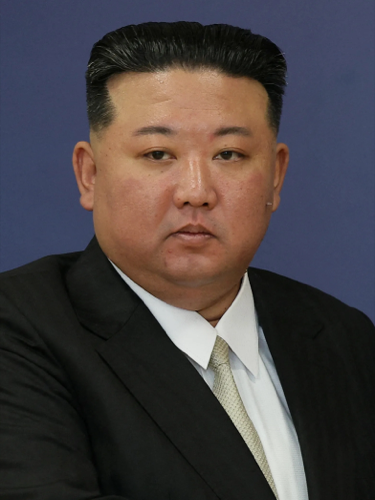
کم جونگ ان شمالی کوریا کے ہتھیاروں کی ترقی اور علاقائی اشتعال کو جاری رکھتے ہوئے روایتی آمرانہ طریقوں کے ذریعے اندرونی کنٹرول برقرار رکھتا ہے۔
اس کا اثر و رسوخ کا اسکور 25/100 پر کم رہتا ہے، جو بڑی طاقتوں پر براہ راست اثر و رسوخ میں کمی کو ظاہر کرتا ہے اگرچہ جاری میزائل اور ایٹمی سرگرمیاں جاری ہیں۔
مکمل رپورٹ پڑھیںکم دکھائیں
جوہری اور میزائل کی توسیع جاری ہے
کم جونگ ان کا بنیادی توجہ شمالی کوریا کی جوہری اور بیلسٹک میزائل صلاحیتوں کی ترقی پر باقی ہے۔ سگنل ٹریکنگ میزائلوں اور حملوں سے جڑے 60 ٹریک شدہ واقعات اور جوہری ہتھیاروں کی ترقی سے متعلق 37 واقعات دکھاتی ہے، جو ان پروگراموں کے لیے وسائل کی مسلسل تقسیم کی نشاندہی کرتی ہے۔ نظام نے 2025 اور 2026 میں متعدد ہتھیاروں کے امتحانات کا انعقاد کیا، تکنیکی مظاہرے کا رویہ برقرار رکھا جو امریکی اور جنوبی کوریائی فوجی کارروائی کو روکنے کا مقصد رکھتا ہے۔ یہ سرگرمیاں اندرونی سامعین کے لیے داخلی پروپیگنڈا کے اوزار اور بیرونی مخالفین کے لیے شمالی کوریا کی فوجی تیاری کے بارے میں سگنل کے طریقے کے طور پر کام کرتی ہیں۔
سفارتی علحدگی اور علاقائی تناؤ
North Korea's diplomatic position has deteriorated rather than improved. A major flashpoint emerged in 2026 when South Korea recalled its ambassador to Ukraine over a dispute involving North Korean prisoners of war held by Kyiv forces, indicating that North Korean soldiers are actively deployed or captured in the Ukraine theater. This escalation reveals North Korea's deeper integration into the Russia Ukraine conflict beyond simple arms transfers. Simultaneously, South Korea test flew its first domestically developed hypersonic weapon, demonstrating that Seoul is accelerating its own military modernization in direct response to North Korean threats. The prisoner of war controversy signals growing complications in handling North Korean military personnel abroad and potential cracks in how the regime manages its forces overseas.
اندرونی کنٹرول اور جانشینی میں عدم یقین
Kim Jong Un faces persistent challenges in sustaining economic performance while maintaining the military state apparatus. His influence score of 25/100 reflects his constrained ability to reshape regional dynamics or secure major power alignment. The regime relies heavily on China for economic survival and energy supplies, a dependency that limits Kim's strategic autonomy. Questions about succession and the stability of Kim's rule persist, though there is no current evidence of imminent leadership change. His three children remain young, and no formal succession plan has been announced, leaving the question of regime continuity unresolved.
آگے کی رفتار
Kim Jong Un's strategy through 2026 prioritizes weapons capability over diplomatic opening. With 100 tracked events in the geopolitical intelligence graph centered on his activities, North Korea remains a constant source of regional instability. The combination of weapons testing, overseas military deployments, and tightening security apparatus suggests Kim is consolidating control while betting that military capability will ensure regime survival. Whether this approach can sustain North Korea through economic pressure and international isolation remains the central question for analysts monitoring his leadership.