Tại Sao Máy Tính Lượng Tử Lại Nhanh Hơn Rất Nhiều
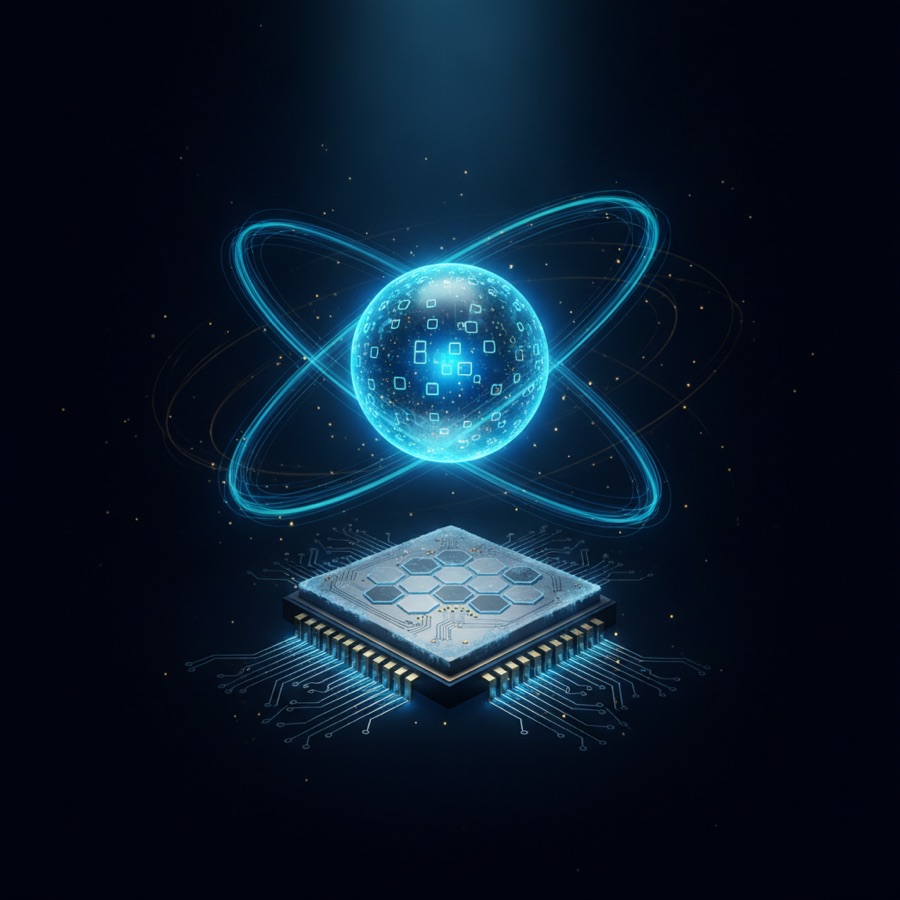
Máy tính lượng tử khai thác chồng chập và vướng víu để xử lý nhiều giải pháp cùng một lúc, trong khi máy tính cổ điển kiểm tra các khả năng tuần tự.
Sự khác biệt cơ bản này làm cho các hệ thống lượng tử nhanh hơn nhiều lần đối với các loại vấn đề cụ thể.
Đọc báo cáo đầy đủHiển thị ít hơn
Cơ Học Lượng Tử Cho Phép Tốc Độ Như Thế Nào
Classical computers process information as bits that are either 0 or 1. Quantum computers use quantum bits, or qubits, which can exist in superposition as both 0 and 1 at the same time until measured. This means a quantum system with 300 qubits can theoretically represent 2 to the 300th power states simultaneously, compared to a classical computer that would need to evaluate each state one after another. Entanglement, where qubits become correlated so measuring one instantly affects others, allows quantum computers to process interconnected information with minimal additional operations. These quantum properties are not new discoveries; they have been understood since the 1980s, but engineering stable qubits at scale has remained the central challenge.
Tiến Bộ Gần Đây Hướng Tới Các Hệ Thống Thực Tế
Scientists reached the ultimate quantum limit on a surface according to recent breakthrough research, meaning quantum systems are approaching theoretical efficiency boundaries for surface level qubit designs. This represents a significant engineering milestone because stable qubits have historically suffered from decoherence, where environmental interference causes quantum states to collapse before calculations complete. The quantum computing industry has consolidated around specific technological approaches, with investors and researchers tracking which companies will dominate the field through 2030 based on qubit stability and error correction methods. Current tracked signals show the United States leads quantum development with 4 major signal sources, reflecting government investment, private sector competition, and academic research concentrated in this nation.
Nơi Tốc Độ Lượng Tử Thực Sự Quan Trọng
Quantum computers are not universally faster than classical systems. They excel at specific problem categories including drug molecule simulation, optimization problems in logistics and finance, cryptography, and machine learning pattern recognition. A classical computer can still outperform a quantum system for everyday computing tasks like word processing or video streaming. The financial sector has tracked interest in quantum applications for portfolio optimization and risk analysis, evidenced by 3 tracked signals linking quantum development to stock market applications. Similarly, cryptographic breakthroughs possible through quantum computing have generated 3 signals connecting quantum research to cryptocurrency and blockchain security concerns.
Giai Đoạn Tiếp Theo Của Phát Triển
Industry researchers have identified that quantum computing advancement will depend on compounding breakthroughs rather than single innovations, requiring simultaneous progress in qubit design, error correction algorithms, and software development. Current quantum systems operate at very small scales with error rates that limit practical applications, meaning the technology remains in early stages despite recent progress. The geopolitical dimension involves 100 tracked events in quantum development globally, indicating this technology has become a major intelligence focus for multiple nations. Investment decisions through 2030 will determine which companies and countries capture commercial applications first, making quantum computing a central competition point in technological development.