Bill Gates 2026 净值340亿美元
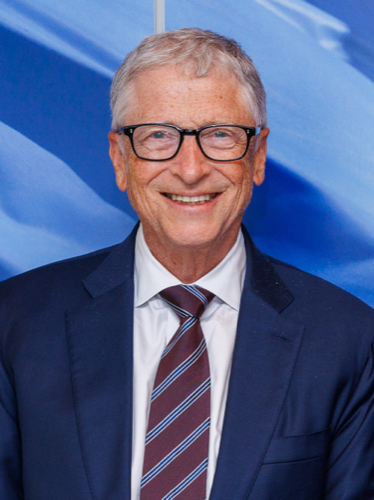
最新的有信誉的估计显示比尔·盖茨的净值约为340亿美元,据"财富报"2026年9月20日公布.
公布的估计从2026年8月31日到2026年9月20日(历史,不同日期——不是今天的不确定性),从340亿美元到650亿美元不等.
这是一个主要与微软和他的投资持股相关的估计:它随着股价波动,并不是银行账户中的现金。
最后核查日期:2026 年 11 月 21 日。
这是如何验证的
GeoGazet 汇集来自多个渠道的最近发布的净资产估计。仅当至少两个信息来源一致或权威追踪机构(福布斯、彭博社)报告时,才会显示一个数字。标题是来自信誉良好的来源的最新估计,显示为单一来源、数字和日期。每一行说明日期是信息来源自己的估值日期还是文章发布日期。异常值规则:任何低于最近估计中位数的 0.4 倍或高于 2.5 倍的数字都将被删除。范围是过去不同日期发布的估计的跨度,不是对今天数字的不确定性的衡量。
阅读完整报告显示更少
目前财富构成和持有量
Gates has maintained his position among global billionaires through diversified asset holdings beyond his original Microsoft stake. The Gates Foundation, established in 2000, controls approximately 50 billion dollars in assets dedicated to global health, development, and education initiatives. His personal investment portfolio includes significant real estate holdings, agricultural land across North America, and stakes in renewable energy ventures. Gates has gradually reduced his Microsoft shareholding over decades, transitioning to foundation work and independent investing since stepping down from Microsoft operations in 2014.
对全球卫生和气候讨论的影响
Gates currently holds an influence score of 21 out of 100 according to geopolitical tracking metrics, reflecting his significant but contested voice in international policy debates. Recent public discourse surrounding Gates has centered on his positions regarding artificial intelligence and technological solutions to global problems. A recent article titled "Bill Gates diagnoses problems with AI, but an expert questions his prescription" illustrates ongoing debate about his policy recommendations and their scientific basis. His foundation has invested billions in vaccine development, pandemic preparedness, and climate adaptation, though his prescriptive approach to solving complex problems occasionally draws criticism from experts in relevant fields.
基础活动和能源部门的参与
The Gates Foundation has expanded its focus on energy access and climate resilience, particularly in developing nations. Recent geopolitical tracking documented "Solar power booms in Philippines as war on Iran spikes energy costs," highlighting how global energy markets directly affect the foundation's work in emerging economies. Gates and his foundation have championed renewable energy investments, particularly solar technology deployment in countries with limited electricity access. The foundation has committed substantial resources to agricultural innovation and food security in regions vulnerable to climate disruption and energy price volatility.
财富轨迹和未来考量
Gates has pledged to give away the majority of his wealth to the foundation, announcing plans to increase annual foundation spending from approximately 6 billion dollars to 9 billion dollars by 2026. This commitment aligns with his stated intention to eventually become one of the world's least wealthy billionaires. His net worth fluctuates based on Microsoft stock performance, investment returns, and currency valuations, particularly given his international asset holdings. Over 100 tracked geopolitical events involving Gates have been documented in recent monitoring, demonstrating his persistent relevance in discussions about global health, technology, and development policy despite his reduced formal institutional roles.