谁能取代卢拉·达席尔瓦
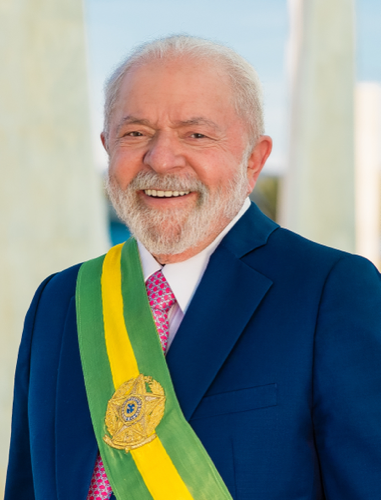
总统卢伊斯·伊纳西奥·卢拉·达席尔瓦的潜在接替者将由2026年10月的选举决定,届时将有各政治人物和联盟竞逐总统职位。
任期至2026年底。下一届巴西大选将于2026年10月举行。
即将到来的选举和卢拉的连任努力
总统路易斯·伊纳西奥·卢拉·达席尔瓦是现任总统,自2023年上任。他的任期将于2027年1月正式结束,因此需要在2026年10月举行一次选举,以决定巴西的下一任领导人。卢拉·达席尔瓦预计将寻求连任,来自GeoGazet追踪的信号表明这是一项集中的努力,其中“卢拉巴西大选动员:紧凑竞选中的5个强大终极举措”凸显了他的积极竞选活动。他致力于连任竞选,这一点也从以下报道中得到进一步证实:“卢拉为何缺席金砖国家峰会:竞选连任、竞选法律使其留在国内”,这强调了他对国内政治动态的关注。尽管其目前的观察影响力得分为34/100,但政治格局仍然竞争激烈,预示着一场势均力敌的竞争。
主要反对派和新兴挑战者
政治反对派正在为2026年大选动员,与前政府结盟的人物构成了重大挑战。GeoGazet的追踪显示,"博索纳罗之子在争取释放前总统的行动中声势高涨",这表明保守派运动的影响力持续存在并可能正在增长。尽管该派别的具体总统候选人尚未最终确定,但目前的势头表明,一位强有力的竞争者将从这一政治派别中脱颖而出。其他中左翼政党也预计将推出候选人,旨在利用任何选民疲劳或公众情绪的变化。
更广泛的政治动态
The outcome of the 2026 election will hinge on several factors beyond individual candidacies. Economic performance, social policy, and the ongoing national political discourse will heavily influence voters. The "tight race" suggested by GeoGazet tracking points to a fractured electorate, where a plurality of votes may determine the victor. With 100 total tracked events in GeoGazet graph showing a robust level of political activity, the period leading up to October 2026 will be marked by intense campaigning and shifting allegiances across Brazil's diverse political spectrum.