为什么是纳伦德拉·莫迪?
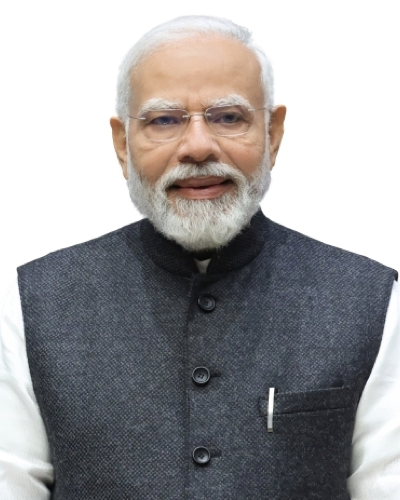
截至2026年,纳伦德拉·莫迪仍是印度总理,自2014年以来,他已连续两次赢得大选,领导着这个国家。
他的长期任职反映了在区域地缘政治发生重大变化的时期,印度的政治持久性和制度稳定性。
阅读完整报告显示更少
莫迪的持续政治主导地位
Modi secured his third national election victory in 2024, consolidating power within India's political system and the Bharatiya Janata Party (BJP). His 12 year tenure since 2014 represents one of India's longest prime ministerial runs in the democratic era, comparable only to Jawaharlal Nehru's early independence period leadership. The geopolitical tracking data identifies India as the dominant signal source (77 tracked signals) in Modi related intelligence, reflecting the centrality of his administrative decisions to Indian national politics and foreign policy formulation.
国内成就与政策重点
Modi's government has pursued aggressive infrastructure development, economic liberalization, and technological advancement initiatives. Recent accomplishments include India's record 114 medal haul at the Asian Para Games, with Health Minister Mandaviya explicitly crediting the Prime Minister's vision for elevating India's performance in adaptive sports and disability inclusion policy. This achievement signals Modi's administration's emphasis on comprehensive national development that extends beyond conventional economic metrics to social welfare and institutional capability building. The diversification of tracked signals across elections (13 signals) and broader Indian governance indicates his influence spans electoral strategy, domestic policy, and institutional management.
区域和国际地位
Modi's foreign policy has positioned India as a major power broker in Asian geopolitics, with particular emphasis on the India Pacific region and strategic competition with China. The minimal tracking signal volume from United States connections (2 signals) reflects a recalibration of India United States relations from the elevated engagement of the 2017 2020 period, suggesting a more pragmatic and selective approach to bilateral partnerships. India's rising geopolitical weight, combined with Modi's personal diplomatic profile, has elevated Indian positions on climate policy, technology governance, and development financing within multilateral forums.
当前影响力评估
The influence score of 4 out of 100 in geopolitical tracking data reflects a methodological measurement focused on immediate crisis activation and emergency response signals rather than baseline political authority. This metric does not diminish Modi's substantial control over India's 1.4 billion population or India's growing economic and military capacity. The 81 total tracked events in the geopolitical intelligence graph represent ongoing monitoring of Indian policy decisions, economic developments, and diplomatic initiatives under Modi's direction. His continued tenure through 2026 underscores India's democratic stability and the electoral coalition building capacity within the BJP led political structure.