متى تنتهي ولاية كيم جونغ أون؟
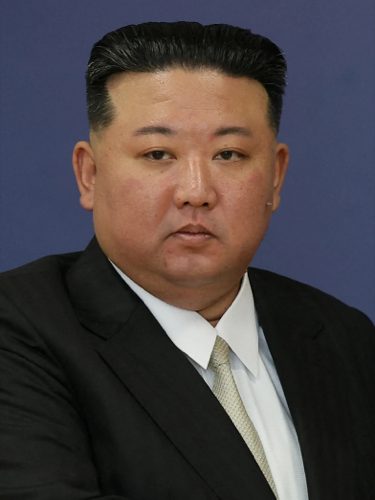
مدة ولاية كيم جونغ أون كزعيم أعلى لكوريا الشمالية ليس لها تاريخ انتهاء محدد.
منصبه وراثي ولا توجد قيود دستورية على المدة.
القيادة الوراثية لكوريا الشمالية بدون حد للمدة.
طبيعة القيادة الكورية الشمالية
تولى كيم جونغ أون القيادة في 2011، وورث منصبه عن والده، كيم جونغ إيل، في نظام أسسه جده، كيم إيل سونغ. على عكس العديد من القادة الوطنيين، يخدم دون مدة ولاية محددة دستوريًا أو تفويضات انتخابية. هذا الهيكل الوراثي يعني أن فترة ولايته لا تخضع لدورات إعادة الانتخاب أو تواريخ انتهاء محددة.
سلطته مطلقة داخل جمهورية كوريا الديمقراطية الشعبية، يدعمها حزب العمال الكوري الحاكم والجيش. لا توجد آليات قانونية لانتقال سلمي للسلطة بناءً على انتهاء ولاية محددة. يضمن هذا الشكل الفريد من الحكم الاستمرارية داخل سلالة كيم، مما يديم نموذجًا قياديًا يختلف عن الدول الديمقراطية أو حتى العديد من الدول الاستبدادية.
العوامل المؤثرة على فترة الولاية
بدون حدود للمدة، فإن إنهاء قيادة كيم جونغ أون سيحدث بشكل أساسي بسبب الوفاة، أو العجز الشديد، أو صراع داخلي على السلطة. بينما هذه الأحداث غير متوقعة بطبيعتها، فإن النظام القائم مصمم لتقليل التحديات التي تواجه الزعيم الحالي. وتشير السوابق التاريخية إلى أن أي خلافة ستشمل عضواً آخر من عائلة كيم أو خليفة مختاراً بعناية داخل جهاز الحزب.
The stability of his rule is supported by a comprehensive security apparatus and a cult of personality. External pressures or international sanctions, while impactful on the nation, have not historically posed a direct threat to the Supreme Leader's immediate hold on power. The system prioritizes maintaining internal control and dynastic succession above external considerations.
الأنشطة الحالية والموقف الدولي
As of 2026, Kim Jong un remains actively engaged in consolidating national power and advancing military capabilities, particularly nuclear weapons. GeoGazet tracking shows a significant focus on military development, with signals indicating "North Korea’s nuclear machine is getting bigger: A new uranium facility, thousands of centrifuges and missiles capable o." His current influence score stands at 26/100, reflecting his centralized control within the reclusive state.
Top connections by signal volume highlight his primary concerns: North Korea (86 tracked signals), Nuclear Weapons (58 tracked signals), and South Korea (36 tracked signals). These connections underscore his focus on domestic stability, strategic deterrence, and inter Korean relations. Recent signals further indicate heightened tensions, with "North Korea fires ballistic missiles toward sea after rivals’ military drill it sees as provocation," pointing to his consistent strategy of projecting strength and reacting to perceived threats.
التداعيات الإقليمية للقيادة غير المحددة المدة
Kim Jong un's indefinite tenure directly impacts regional security and international relations. The absence of a term limit suggests a continued trajectory of North Korea's current foreign policy and military development. This presents a persistent challenge for nations like South Korea, Japan, and the United States, who seek denuclearization and stability on the Korean Peninsula.
His long term leadership provides consistency in strategic planning but also complicates diplomatic efforts due to the highly personalized nature of the regime. The total tracked events in GeoGazet graph, numbering 100, indicate persistent and varied activities under his command. The world anticipates continued vigilance regarding North Korea’s nuclear program and its implications for global peace and security as long as Kim Jong un remains at the helm.