Когда заканчивается срок полномочий Ким Чен Ына
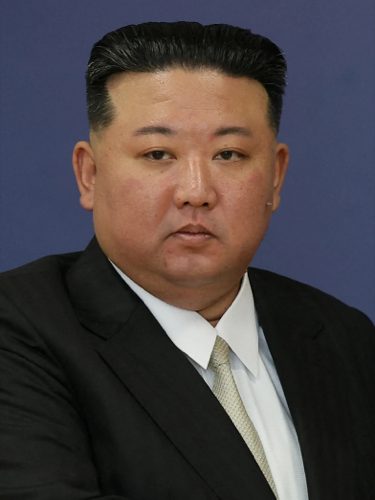
Срок пребывания Ким Чен Ына на посту Верховного Лидера Северной Кореи не имеет установленной даты окончания.
Его должность является наследственной и не имеет конституционных ограничений срока полномочий.
Наследственное руководство Северной Кореи без ограничения срока полномочий.
Характер северокорейского руководства.
Ким Чен Ын возглавил страну в 2011 году, унаследовав свою должность от своего отца, Ким Чен Ира, в системе, созданной его дедом, Ким Ир Сеном. В отличие от многих национальных лидеров, он служит без конституционно установленного срока полномочий или электоральных мандатов. Эта наследственная структура означает, что его пребывание в должности не подлежит циклам переизбрания или фиксированным датам окончания.
His authority is absolute within the Democratic People's Republic of Korea, sustained by the ruling Workers' Party of Korea and the military. There are no legal mechanisms for a peaceful transfer of power based on a set term expiration. This unique form of governance ensures continuity within the Kim dynasty, perpetuating a leadership model distinct from democratic or even many authoritarian states.
Факторы, влияющие на срок пребывания
Without term limits, the cessation of Kim Jong un's leadership would primarily occur due to death, severe incapacitation, or an internal power struggle. While such events are inherently unpredictable, the established system is designed to minimize challenges to the current leader. Historical precedent suggests any succession would involve another member of the Kim family or a carefully selected successor within the party apparatus.
The stability of his rule is supported by a comprehensive security apparatus and a cult of personality. External pressures or international sanctions, while impactful on the nation, have not historically posed a direct threat to the Supreme Leader's immediate hold on power. The system prioritizes maintaining internal control and dynastic succession above external considerations.
Текущая деятельность и международное положение.
As of 2026, Kim Jong un remains actively engaged in consolidating national power and advancing military capabilities, particularly nuclear weapons. GeoGazet tracking shows a significant focus on military development, with signals indicating "North Korea’s nuclear machine is getting bigger: A new uranium facility, thousands of centrifuges and missiles capable o." His current influence score stands at 26/100, reflecting his centralized control within the reclusive state.
Top connections by signal volume highlight his primary concerns: North Korea (86 tracked signals), Nuclear Weapons (58 tracked signals), and South Korea (36 tracked signals). These connections underscore his focus on domestic stability, strategic deterrence, and inter Korean relations. Recent signals further indicate heightened tensions, with "North Korea fires ballistic missiles toward sea after rivals’ military drill it sees as provocation," pointing to his consistent strategy of projecting strength and reacting to perceived threats.
Региональные последствия бессрочного лидерства.
Kim Jong un's indefinite tenure directly impacts regional security and international relations. The absence of a term limit suggests a continued trajectory of North Korea's current foreign policy and military development. This presents a persistent challenge for nations like South Korea, Japan, and the United States, who seek denuclearization and stability on the Korean Peninsula.
His long term leadership provides consistency in strategic planning but also complicates diplomatic efforts due to the highly personalized nature of the regime. The total tracked events in GeoGazet graph, numbering 100, indicate persistent and varied activities under his command. The world anticipates continued vigilance regarding North Korea’s nuclear program and its implications for global peace and security as long as Kim Jong un remains at the helm.