Jak válka na Ukrajině ovlivňuje svět
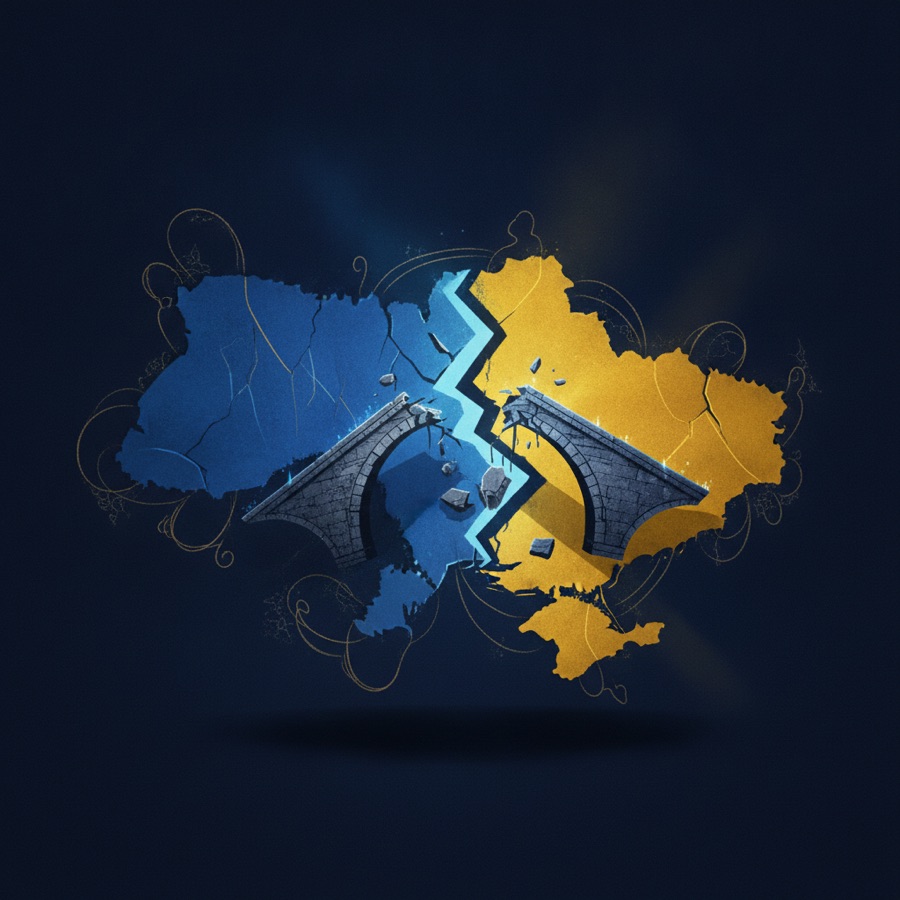
Válka na Ukrajině rozdělila globální energetické trhy, narušila dodávky potravin a realignovala geopolitické aliance pryč od struktur post-studené války.
Ekonomické sankce proti Rusku se rozšířily prostřednictvím cenotvorbou komodit po celém světě, zatímco vojenská pomoc Ukrajině napjala rozpočty západní obrany a výrobní kapacitu.
Přečtěte si kompletní zprávuZobrazit méně
Energetická a potravinářská nejistota
Russia and Ukraine supply critical quantities of oil, gas, and grain to global markets. Ukraine war briefing data shows Kyiv is increasing oil refinery attacks as part of countering Moscow's winter strategy, further constraining energy availability in Europe and beyond. These disruptions have accelerated inflation in importing nations and forced energy policy shifts toward renewable alternatives.
Geopolitické přeorientování
The conflict has strengthened NATO cohesion, prompted Nordic countries to join the alliance, and accelerated military spending across Europe. However, it has also deepened divisions between Western nations and countries like India, Brazil, and South Africa that maintain neutral or balanced positions. The war's continuation into 2026 demonstrates that Cold War era security frameworks remain unstable and that great power competition now directly threatens global stability.