우크라이나 전쟁이 세계에 미치는 영향
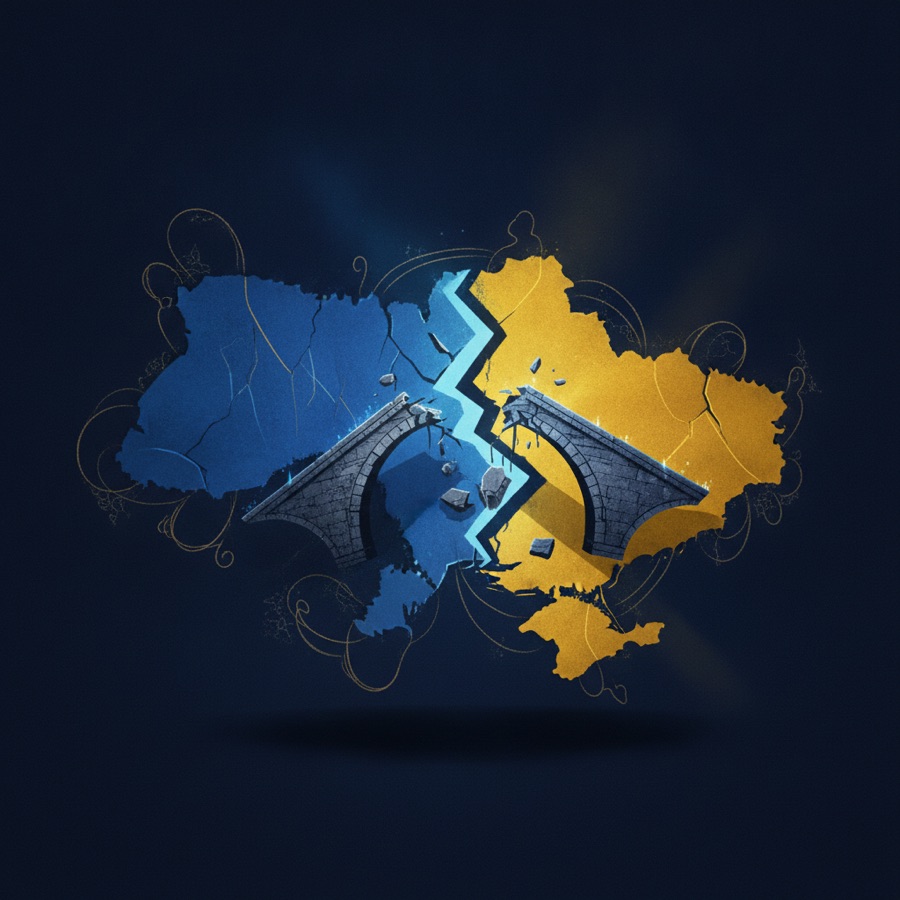
우크라이나 전쟁은 글로벌 에너지 시장을 분열시켰고, 식량 공급을 중단시켰으며, 냉전 이후 구조에서 지정학적 동맹을 재편성했다.
러시아에 대한 경제 제재는 전 세계 상품 가격에 파급 효과를 일으켰고, 우크라이나에 대한 군사 원조는 서방 국방 예산과 제조 능력에 부담을 주었다.
전체 보고서 읽기줄여서 보기
에너지 및 식량 불안정
러시아와 우크라이나는 전 세계 시장에 석유, 가스, 곡물을 중요한 양으로 공급한다. 우크라이나 전쟁 브리핑 데이터는 키이우가 모스크바의 겨울 전략에 대응하기 위해 석유 정제소 공격을 증가시키고 있으며, 이는 유럽 및 그 너머의 에너지 가용성을 더욱 제한하고 있음을 보여준다. 이러한 중단은 수입국의 인플레이션을 가속화했으며 재생 에너지 대안을 향한 에너지 정책 변화를 강요했다.
지정학적 재편성
The conflict has strengthened NATO cohesion, prompted Nordic countries to join the alliance, and accelerated military spending across Europe. However, it has also deepened divisions between Western nations and countries like India, Brazil, and South Africa that maintain neutral or balanced positions. The war's continuation into 2026 demonstrates that Cold War era security frameworks remain unstable and that great power competition now directly threatens global stability.