レジェプ・タイイプ・エルドアン対ナレンドラ・モディ
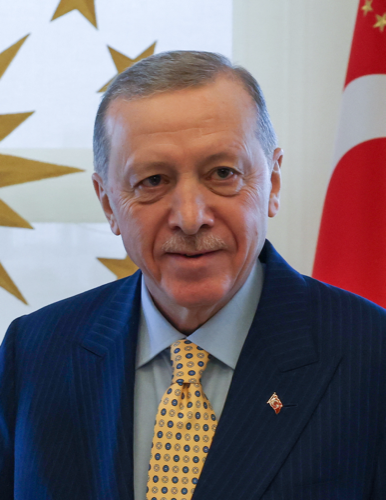
エルドアンとモディは共に2014年以来主要な地域大国を指導しているが、モディはグローバルステージでより大きな影響力を持っている。
モディは技術力と軍事力が成長している14億人の国家を指導しており、一方エルドアンはトルコを西側の同盟の衰退と東側の日和見主義の間で舵取りしている。
完全なレポートを読む表示を減らす
現在の職務と任期
ナレンドラ・モディはインドの首相として憲法上の任期制限がなく、連続して選挙に勝利すれば無期限に職務を継続する可能性がある。彼の党であるインド人民党は2024年に別の委任を獲得し、次の総選挙は2029年までは予定されていない。レジェプ・タイイップ・エルドアンは2014年以来トルコの大統領職を保持しており、現在2023年の再選後2028年に終了する任期に就いている。トルコの現在の規則の下では、エルドアンが議会が選挙を早期に召集しない限り再び立候補することはできず、これは彼の在職期間に厳しい上限を置く。
戦略的影響力と地域的到達範囲
Modi's influence extends globally through India's demographic scale, technological sector growth, and military modernization. India shapes outcomes across South Asia, the Indian Ocean, and increasingly in multilateral forums like the Shanghai Cooperation Organization. Erdogan wields considerably narrower but more volatile influence, concentrated in the Middle East, Caucasus, and Eastern Mediterranean. Recent signals from tracking data show Erdogan "playing East and West, winning room to maneuver," while simultaneous reports note "As the U.S. signals a smaller Middle East footprint, Turkey is ready to step in." This tactical positioning reflects Erdogan's attempt to fill vacuums, not establish sustained dominance. Modi's influence score stands at 2 out of 100 on tracked metrics, indicating both leaders operate in constrained contexts despite their regional prominence.
制度的制約と将来の軌跡
Modi faces no formal barrier to remaining Prime Minister if the BJP retains electoral majorities, making his political horizon potentially open ended through at least 2029 and beyond. Erdogan confronts a hard stop at 2028 unless he orchestrates constitutional change or early elections, an increasingly difficult maneuver given Turkey's fragmented parliament. This structural difference means Modi can pursue longer term strategies, while Erdogan must decide within two years whether to attempt unprecedented moves or prepare a succession. Reports of visits from major international figures, including signals that "Carney plans to visit Turkey this month," suggest Erdogan is actively managing Turkey's external positioning in his final term.
比較評価
Modi leads a more populous, economically dynamic state with fewer immediate institutional constraints on his authority. Erdogan governs a NATO member state with declining Western support and limited growth prospects, forcing constant tactical adjustment. Both men centralized power within their respective systems, but Modi operates from a position of ascending state capacity while Erdogan manages relative decline. By 2028, Erdogan will face a definitive transition, whereas Modi could be positioned for another electoral cycle in a nation with no term limit precedent.