How Long Will Ursula von der Leyen Stay in Office
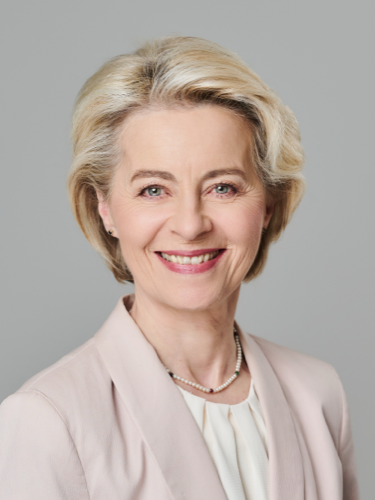
Ursula von der Leyen is set to remain President of the European Commission until 2029, serving her second term.
Her current mandate officially concludes at the end of 2029.
Serving a second European Commission term running to 2029.
Ursula von der Leyen's Current Mandate
Ursula von der Leyen is the President of the European Commission, a position she has held since 2019. She is currently serving her second European Commission term, which is authoritative and runs through to 2029. This term follows the standard five year cycle for the Commission Presidency.
Her mandate is therefore fixed for the current period, aligning with the institutional timeline of the European Union. The next European Parliament elections in 2029 will precede the formal appointment of the subsequent Commission. Until then, her leadership is the established framework for EU executive action.
Political Standing and Policy Headwinds
Von der Leyen maintains a significant level of influence, with a current influence score of 76/100. This score reflects her standing amidst complex policy challenges and geopolitical shifts. Her Commission faces ongoing scrutiny and pressure from various stakeholders.
For instance, environmental policy remains a contentious area, with recent signals from GeoGazet tracking noting, "After a deadly summer, 30+ organisations tell the EU: make nature our first line of defence." This highlights persistent demands for decisive action on climate and nature. Simultaneously, the European Union navigates broader political critiques, as reflected in the GeoGazet sentiment "Europe’s greatest mistake in a generation," indicating strong public and political debates over strategic directions. The total tracked events in GeoGazet graph, numbering 100, underscore the diverse and numerous issues under her administration's purview.
Geopolitical Dynamics and Future Considerations
The European Commission operates within a dynamic global environment, constantly addressing external relations and international partnerships. Ursula von der Leyen's leadership is crucial in these areas. An example of ongoing strategic dialogues is highlighted by GeoGazet tracking: "Canada eyes ‘associate member’ status with EU amid US tensions, WSJ reports."
Managing such intricate geopolitical developments significantly impacts the EU's global standing and internal cohesion. The ability to navigate these complex external relationships and maintain a strong, unified European voice defines a substantial part of her leadership's legacy and the trajectory for the remainder of her term. These dynamics will also heavily influence the political landscape for the next Commission.
The Path to 2029 and Succession
The conclusion of Ursula von der Leyen's term in 2029 will be followed by a new institutional cycle within the European Union. European Parliament elections are scheduled for that year, which will in turn initiate the process for selecting the next President of the European Commission. The incoming Parliament plays a pivotal role in this selection.
While von der Leyen's current term is set to end in 2029, the political landscape leading up to that point will be characterized by intense debates about the EU's future direction and potential candidates for the top executive role. Her successor will be determined through a complex interplay of national government consensus and parliamentary approval, a process that typically spans several months post election.