乌尔苏拉·冯德莱恩将任职多久?
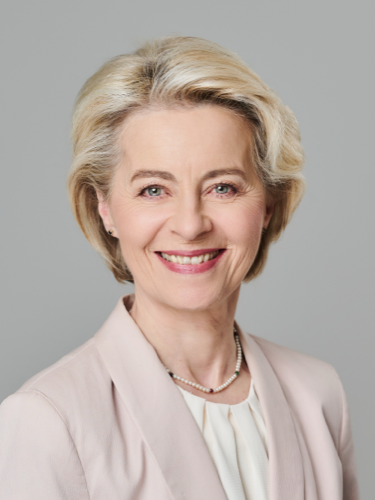
乌尔苏拉·冯德莱恩将连任欧盟委员会主席至2029年,开启她的第二届任期。
她的当前任期将于2029年底正式结束。
正在履行至2029年的第二个欧盟委员会任期。
乌尔苏拉·冯德莱恩的当前任期
乌苏拉·冯德莱恩是欧盟委员会主席,她自2019年起担任此职务。她目前正担任她的第二个欧盟委员会任期,该任期具有权威性并持续至2029年。此任期遵循委员会主席职位的标准五年周期。
因此,她的任期已确定为本期,与欧盟的机构时间表保持一致。2029年的下一次欧洲议会选举将早于下一届欧盟委员会的正式任命。在此之前,她的领导地位是欧盟行政行动的既定框架。
政治地位与政策逆风
冯德莱恩保持着显著的影响力,当前影响力得分为 76/100。这一得分反映了她在复杂的政策挑战和地缘政治变局中的地位。她的委员会正面临来自各方利益相关者的持续审查和压力。
For instance, environmental policy remains a contentious area, with recent signals from GeoGazet tracking noting, "After a deadly summer, 30+ organisations tell the EU: make nature our first line of defence." This highlights persistent demands for decisive action on climate and nature. Simultaneously, the European Union navigates broader political critiques, as reflected in the GeoGazet sentiment "Europe’s greatest mistake in a generation," indicating strong public and political debates over strategic directions. The total tracked events in GeoGazet graph, numbering 100, underscore the diverse and numerous issues under her administration's purview.
地缘政治动态与未来考量
The European Commission operates within a dynamic global environment, constantly addressing external relations and international partnerships. Ursula von der Leyen's leadership is crucial in these areas. An example of ongoing strategic dialogues is highlighted by GeoGazet tracking: "Canada eyes ‘associate member’ status with EU amid US tensions, WSJ reports."
Managing such intricate geopolitical developments significantly impacts the EU's global standing and internal cohesion. The ability to navigate these complex external relationships and maintain a strong, unified European voice defines a substantial part of her leadership's legacy and the trajectory for the remainder of her term. These dynamics will also heavily influence the political landscape for the next Commission.
迈向2029之路与继任
The conclusion of Ursula von der Leyen's term in 2029 will be followed by a new institutional cycle within the European Union. European Parliament elections are scheduled for that year, which will in turn initiate the process for selecting the next President of the European Commission. The incoming Parliament plays a pivotal role in this selection.
While von der Leyen's current term is set to end in 2029, the political landscape leading up to that point will be characterized by intense debates about the EU's future direction and potential candidates for the top executive role. Her successor will be determined through a complex interplay of national government consensus and parliamentary approval, a process that typically spans several months post election.