มูลค่าทรัพย์สินของบิล เกตส์≈ $34 billion
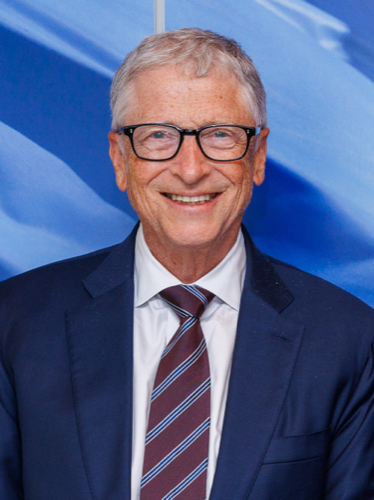
The latest reputable estimate puts Bill Gates's net worth at about $34 billion, published September 20, 2026, according to Fortune.
Published estimates ranged $34 billion to $65 billion between August 31, 2026 to September 20, 2026 (historical, different dates — not today's uncertainty).
นี่คือการประมาณการที่เกี่ยวข้องส่วนใหญ่กับไมโครซอฟท์และการถือครองเงินลงทุนของเขา โดยเคลื่อนไหวตามราคาหุ้นและไม่ใช่เงินสดในธนาคาร
Last checked November 21, 2026.
วิธีการยืนยันนี้
GeoGazet รวบรวมการประมาณมูลค่าสุทธิที่เผยแพร่เมื่อเร็วๆ นี้จากหลายแหล่ง ตัวเลขจะแสดงเฉพาะเมื่อแหล่งข้อมูลอย่างน้อยสองแหล่งเห็นพ้องกันหรือติดตามแบบอำนาจ (ฟอร์บส์ บลูมเบิร์ก) รายงานไว้ หัวเรื่องคือการประมาณค่าล่าสุดจากแหล่งที่มีชื่อเสียง แสดงเป็นแหล่งเดียว ตัวเลข และวันที่ แต่ละแถวระบุว่าวันที่นั้นเป็นวันที่ประเมินมูลค่าของแหล่งข้อมูลเองหรือวันที่เผยแพร่บทความ กฎค่าผิดปกติ: ตัวเลขใดๆ ที่ต่ำกว่า ๐.๔ เท่าหรือสูงกว่า ๒.๕ เท่าของค่ามัธยฐานของการประมาณค่าเมื่อเร็วๆ นี้จะถูกลบออก ช่วงดังกล่าวเป็นช่วงของการประมาณค่าที่เผยแพร่ในอดีตในวันที่ต่างๆ ไม่ใช่การวัดความไม่แน่นอนเกี่ยวกับตัวเลขในวันนี้
อ่านรายงานฉบับเต็มแสดงน้อยลง
มูลนิธิความมั่งคั่งไมโครซอฟท์
เกตส์ก่อตั้ง Microsoft ร่วมกันในปี พ.ศ. 2518 และสร้างให้กลายเป็นบริษัทเทคโนโลยีขนาดใหญ่ก่อนที่จะลาออกจากตำแหน่งซีอีโอในปี พ.ศ. 2557 หุ้นเดิมของเขาในบริษัทสร้างความมั่งคั่งช่วงต้นของเขาส่วนใหญ่ และเขายังคงมีส่วนแบ่งที่มีนัยสำคัญแม้หลังจากกระจายพอร์ตโฟลิโอของเขา ในช่วงทศวรรษที่ผ่านมา เกตส์ลดการถือหุ้น Microsoft ทีละน้อยเพื่อจัดหาเงินทุนสำหรับการดำเนินการจากการกุศล แม้ว่าบริษัทยังคงเป็นศูนย์กลางของการคำนวณมูลค่าสุทธิของเขา
พอร์ตโฟลิโอการลงทุนที่หลากหลาย
นอกเหนือจาก Microsoft บิล เกตส์ถือครองสินทรัพย์อย่างมากในภาคเทคโนโลยี เกษตรกรรม พลังงาน และการดูแลสุขภาพผ่านการลงทุนส่วนบุคคลและมูลนิธิบิล และเมลินดา เกตส์ มูลนิธินี้เองควบคุมสินทรัพย์ประมาณ 75 พันล้านดอลลาร์ที่อุทิศให้กับโครงการเพื่อสุขภาพโลก การพัฒนา และการศึกษา บิล เกตส์ได้เปลี่ยนทุนอย่างจริงจังไปยังตลาดเกิดใหม่และแนวทางแก้ไขปัญหาสภาพอากาศ โดยวางตำแหน่งความมั่งคั่งของเขาอย่างมีกลยุทธ์รอบ ๆ พื้นที่เติบโตในอนาคตแทนที่จะรักษาการถือครองแบบพาสซีฟ
การโฟกัสปัญญาประดิษฐ์และการพัฒนาโลก
Gates is currently spending $1 billion to ensure artificial intelligence development does not widen the global divide between wealthy and developing nations. Recent public statements underscore his concern that governments worldwide are lagging behind on AI policy and implementation. This investment reflects his broader strategy of using capital to influence technological trajectories toward equitable outcomes, particularly in healthcare and agriculture for low income countries. His GeoGazet tracked influence score of 10 out of 100 indicates his direct political power remains modest despite substantial financial resources, suggesting his impact operates primarily through philanthropic channels rather than formal governance roles.
การบริหารความมั่งคั่งและทิศทางอนาคต
Gates has committed to giving away virtually all his wealth within two decades, with the Gates Foundation receiving increasing annual allocations. His recent focus on AI safeguards and pandemic preparedness signals where he expects future crises and opportunities to emerge. The specific allocation of $1 billion toward AI equity demonstrates how Gates converts net worth into strategic influence on global development patterns, targeting resources toward preventing scenarios he identifies as high risk. This approach positions Gates as a significant non state actor shaping policy discussions around emerging technology, though his actual political leverage remains constrained compared to his financial magnitude.