بل گیٹس کی کل دولت≈ $34 billion
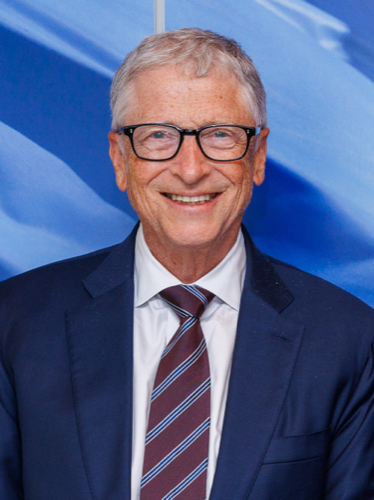
The latest reputable estimate puts Bill Gates's net worth at about $34 billion, published September 20, 2026, according to Fortune.
Published estimates ranged $34 billion to $65 billion between August 31, 2026 to September 20, 2026 (historical, different dates — not today's uncertainty).
یہ ایک تخمینہ ہے جو بیشتر طور پر مائیکروسافٹ اور اس کی سرمایہ کاری سے منسلک ہے: یہ شیئر کی قیمت کے ساتھ حرکت کرتا ہے اور بینک میں نقد رقم نہیں ہے۔
Last checked November 21, 2026.
یہ کیسے تصدیق شدہ ہے
GeoGazet حالیہ شائع شدہ خالص دولت کے تخمینے متعدد ذرائع سے جمع کرتا ہے۔ ایک اعداد و شمار صرف تب دکھایا جاتا ہے جب کم از کم دو ذرائع متفق ہوں یا کوئی مستند ٹریکر (فوربس، بلومبرگ) اس کی رپورٹ کرے۔ سرخی سب سے حالیہ تخمینہ ہے کسی معتبر ذریعے سے، جو ایک ذریعہ، اعداد و شمار اور تاریخ کے طور پر دکھایا گیا ہے۔ ہر قطار یہ بتاتی ہے کہ تاریخ ذریعے کی اپنی تشخیص کی تاریخ ہے یا مضمون کی اشاعت کی تاریخ۔ آؤٹ لائر اصول: حالیہ تخمینوں کے درمیانے سے 0.4 گنا سے کم یا 2.5 گنا سے زیادہ کوئی بھی اعداد و شمار ہٹایا جاتا ہے۔ رینج مختلف تاریخوں پر شائع شدہ تخمینوں کا ایک امتداد ہے، آج کے اعداد و شمار کے بارے میں غیر یقینی کا پیمانہ نہیں۔
مکمل رپورٹ پڑھیںکم دکھائیں
مائیکروسافٹ ویلتھ فاؤنڈیشن
گیٹس نے ۱۹۷۵ میں مائیکروسافٹ کی بنیاد رکھی اور اسے ایک ٹیکنالوجی کے عملاق میں تبدیل کیا پھر ۲۰۱۴ میں سی ای او کے عہدے سے ہٹ گئے۔ ان کے اس کمپنی میں اصل حصے سے ان کی ابتدائی دولت میں بہت اضافہ ہوا اور انہوں نے اپنے پورٹ فولیو میں تنوع لانے کے بعد بھی اہم حصہ برقرار رکھا۔ پچھلی دہائی میں گیٹس نے بتدریج اپنی مائیکروسافٹ کے حصے کم کیے تاکہ خیراتی منصوبوں کو فنڈ دیا جا سکے لیکن یہ کمپنی ان کی خالص دولت کے حساب میں اہم مقام رکھتی ہے۔
متنوع سرمایہ کاری کا پورٹ فولیو
مائیکروسافٹ سے ہٹ کر، گیٹس کے پاس ٹیکنالوجی، زراعت، توانائی، اور ہیلتھ کیئر کے شعبوں میں نمایاں اثاثے ہیں جو ذاتی سرمایہ کاری اور بل اور میلنڈا گیٹس فاؤنڈیشن کے ذریعے ہیں۔ یہ فاؤنڈیشن خود تقریباً 75 ارب ڈالر کے اثاثوں پر کنٹرول رکھتی ہے جو عالمی صحت، ترقی، اور تعلیم کی شراکتوں کے لیے وقف ہیں۔ گیٹس نے سرمایہ کو ابھرتی ہوئی مارکیٹوں اور آب و ہوا کے حل کی طرف فعال طریقے سے منتقل کیا ہے، اپنی دولت کو مستقبل کی ترقی کے علاقوں کے ارد گرد حکمت سے رکھ کر بجائے غیر فعال ہولڈنگز برقرار رکھنے کے۔
مصنوعی ذہانت اور عالمی ترقی پر توجہ
Gates is currently spending $1 billion to ensure artificial intelligence development does not widen the global divide between wealthy and developing nations. Recent public statements underscore his concern that governments worldwide are lagging behind on AI policy and implementation. This investment reflects his broader strategy of using capital to influence technological trajectories toward equitable outcomes, particularly in healthcare and agriculture for low income countries. His GeoGazet tracked influence score of 10 out of 100 indicates his direct political power remains modest despite substantial financial resources, suggesting his impact operates primarily through philanthropic channels rather than formal governance roles.
دولت کی تدبیر اور مستقبل کی سمت
Gates has committed to giving away virtually all his wealth within two decades, with the Gates Foundation receiving increasing annual allocations. His recent focus on AI safeguards and pandemic preparedness signals where he expects future crises and opportunities to emerge. The specific allocation of $1 billion toward AI equity demonstrates how Gates converts net worth into strategic influence on global development patterns, targeting resources toward preventing scenarios he identifies as high risk. This approach positions Gates as a significant non state actor shaping policy discussions around emerging technology, though his actual political leverage remains constrained compared to his financial magnitude.