เมื่อไรที่บิล เกตส์ กลายเป็นเศรษฐี≈ $34 billion
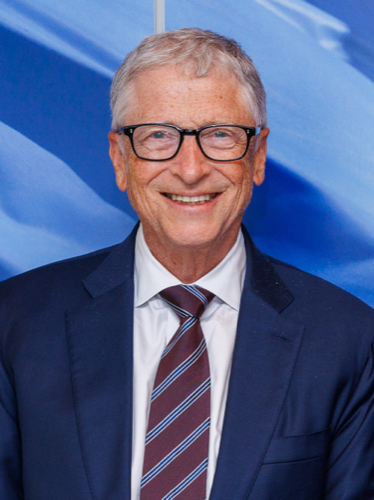
The latest reputable estimate puts Bill Gates's net worth at about $34 billion, published September 20, 2026, according to Fortune.
Published estimates ranged $34 billion to $65 billion between August 31, 2026 to September 20, 2026 (historical, different dates — not today's uncertainty).
นี่คือการประมาณการที่เกี่ยวข้องส่วนใหญ่กับไมโครซอฟท์และการถือครองเงินลงทุนของเขา โดยเคลื่อนไหวตามราคาหุ้นและไม่ใช่เงินสดในธนาคาร
Last checked November 21, 2026.
วิธีการยืนยันนี้
GeoGazet รวบรวมการประมาณมูลค่าสุทธิที่เผยแพร่เมื่อเร็วๆ นี้จากหลายแหล่ง ตัวเลขจะแสดงเฉพาะเมื่อแหล่งข้อมูลอย่างน้อยสองแหล่งเห็นพ้องกันหรือติดตามแบบอำนาจ (ฟอร์บส์ บลูมเบิร์ก) รายงานไว้ หัวเรื่องคือการประมาณค่าล่าสุดจากแหล่งที่มีชื่อเสียง แสดงเป็นแหล่งเดียว ตัวเลข และวันที่ แต่ละแถวระบุว่าวันที่นั้นเป็นวันที่ประเมินมูลค่าของแหล่งข้อมูลเองหรือวันที่เผยแพร่บทความ กฎค่าผิดปกติ: ตัวเลขใดๆ ที่ต่ำกว่า ๐.๔ เท่าหรือสูงกว่า ๒.๕ เท่าของค่ามัธยฐานของการประมาณค่าเมื่อเร็วๆ นี้จะถูกลบออก ช่วงดังกล่าวเป็นช่วงของการประมาณค่าที่เผยแพร่ในอดีตในวันที่ต่างๆ ไม่ใช่การวัดความไม่แน่นอนเกี่ยวกับตัวเลขในวันนี้
อ่านรายงานฉบับเต็มแสดงน้อยลง
ไอพีโอของไมโครซอฟท์และความมั่งคั่งที่เกิดขึ้นอย่างกะทันหัน
ไมโครซอฟท์เข้าจดทะเบียนในตลาดหลักทรัพย์เมื่อวันที่ 13 มีนาคม 1986 ในราคา 21 ดอลลาร์ต่อหุ้น เกตส์ถือหุ้นของบริษัทประมาณ 45 เปอร์เซ็นต์ในขณะนั้น ทำให้เขาเป็นผู้ได้ประโยชน์หลักจากการเพิ่มมูลค่าหุ้นในทันที ภายในเพียงไม่กี่เดือน ราคาหุ้นเพิ่มขึ้นเป็นสองเท่า แล้วเพิ่มขึ้นเป็นสามเท่า ซึ่งทำให้เกตส์จากเศรษฐีกลายเป็นเศรษฐีพันล้านในปี 1987 ในอายุ 31 ปี นี่ทำให้เขาเป็นเศรษฐีพันล้านที่สร้างสรรค์ด้วยตัวเองที่อายุน้อยที่สุดในประวัติศาสตร์อเมริกาในช่วงเวลานั้น
อิทธิพลของเกตส์และบทบาทปัจจุบัน
Gates remains the cofounder of Microsoft and maintains significant influence in global affairs, though his primary focus shifted to philanthropy decades ago through the Bill and Melinda Gates Foundation. His current influence score stands at 10 out of 100 according to recent tracking data, reflecting his reduced operational role in technology sectors compared to his active billionaire status. He continues to weigh in on major global challenges, particularly artificial intelligence and global equity issues.
การมุ่งเน้นล่าสุดเกี่ยวกับปัญญาประดิษฐ์
Gates has become a prominent voice warning governments about the risks and opportunities of artificial intelligence. Recent signals indicate that Gates has stated "Governments worldwide are way behind on AI," highlighting his concerns about the global policy gap in this critical technology area. He has also issued dire warnings about AI's potential to widen inequality between nations and populations, demonstrating his sustained focus on how technological advancement affects global development.
การให้สัตบรรพ์ของเกตส์ในปัจจุบัน
Beyond his billionaire status and Microsoft legacy, Gates has committed substantial capital to addressing inequality exacerbated by emerging technologies. His foundation is spending one billion dollars specifically to ensure artificial intelligence does not widen the global divide between developed and developing nations. This investment reflects a fundamental shift in how Gates uses his wealth, moving from technology entrepreneurship to strategic global development work. The foundation tracked 100 separate events related to Gates's initiatives and influence across geopolitical networks, underscoring his sustained engagement with international development and policy questions.