تاريخ الاتفاق النووي الإيراني
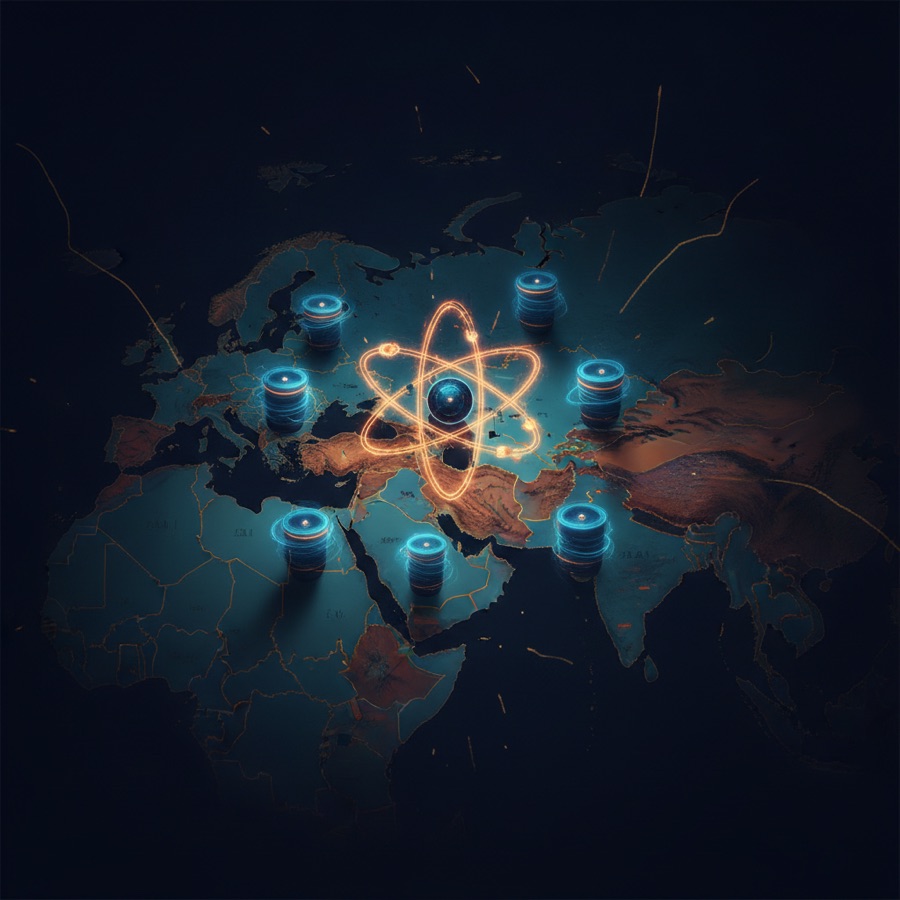
The Iran nuclear deal, formally known as the Joint Comprehensive Plan of Action (JCPOA), was an international agreement reached in 2015 to restrict Iran's nuclear program in exchange for sanctions relief.
Its primary purpose was to prevent Iran from developing nuclear weapons while enabling peaceful nuclear energy use.
Initial Agreement and Withdrawal
The JCPOA was signed by Iran, the P5+1 countries (China, France, Germany, Russia, United Kingdom, United States), and the European Union. The United States unilaterally withdrew from the agreement in 2018, re imposing sanctions and leading to Iran incrementally exceeding its nuclear commitments. This withdrawal significantly altered the deal's trajectory and effectiveness.
Current Geopolitical Context 2026
As of 2026, the deal remains largely defunct amidst increased regional tensions and Iran's escalating activities. Iran maintains a current influence score of 59/100, reflecting its significant regional presence. "Iran backed Houthi rebels seize strategic Red Sea port in Yemen," demonstrating Iran's growing proxy power, further complicates any potential revival of nuclear negotiations.