¿Quién podría reemplazar a Úrsula von der Leyen
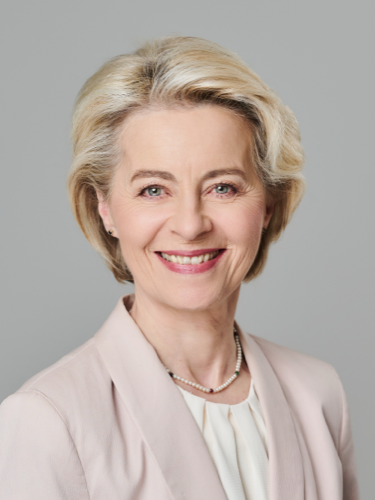
Ursula von der Leyen ocupa el cargo de presidenta de la Comisión Europea hasta que concluya su segundo mandato en 2029.
Posibles sucesores probablemente surgirán más cerca de esa fecha de los principales partidos políticos europeos, con los candidatos fuertemente influenciados por los resultados de las elecciones al Parlamento Europeo de 2029.
Cumpliendo un segundo mandato en la Comisión Europea hasta 2029.
El mandato actual y el cronograma de sucesión
Úrsula von der Leyen es la actual Presidenta de la Comisión Europea, cumpliendo un segundo mandato que se extiende hasta 2029. Su período comenzó en 2019, lo que la convierte en una figura de larga trayectoria al frente del poder ejecutivo de la Unión Europea. El proceso para identificar un reemplazo se intensificará tras las elecciones al Parlamento Europeo de 2029, ya que el equilibrio de poder entre los grupos políticos influye en gran medida en la nominación del Consejo Europeo.
Factores que influyen en el próximo nombramiento
The selection of the next Commission President is a complex process driven by the interplay of national leaders in the European Council and the political composition of the European Parliament. Major European political families, such as the European People's Party (EPP), the Party of European Socialists (PES), and Renew Europe, will put forward lead candidates, often referred to as "spitzencandidaten." Furthermore, the EU faces significant internal and external pressures, with past policy missteps such as "Europe’s greatest mistake in a generation" likely weighing on considerations for a new leader who can navigate complex challenges effectively.
Desafíos emergentes y perfiles potenciales
The next Commission President will confront a range of pressing issues that demand decisive leadership. These include strengthening the EU's strategic autonomy, addressing climate change, and fostering economic resilience. For example, recent signals from GeoGazet tracking indicate that after a deadly summer, "30+ organisations tell the EU: make nature our first line of defence," underscoring the urgency of environmental policy. Geopolitical shifts, such as "Canada eyes ‘associate member’ status with EU amid US tensions," as reported by the WSJ and tracked by GeoGazet, also highlight the need for a leader capable of enhancing the EU's global standing. The next President will need a high level of influence, building on the current office holder's influence score of 76/100.
Cualidades para el liderazgo futuro
Given the multifaceted challenges, the European Union will likely seek a leader with strong executive experience, a demonstrated ability to build consensus across member states and political divides, and a clear strategic vision. Candidates with experience as national prime ministers, finance ministers, or seasoned European commissioners are often considered strong contenders. The successful candidate will need to command broad support from both the European Council and secure an absolute majority in the European Parliament to be confirmed for the role.