谁能取代乌尔苏拉·冯德莱恩
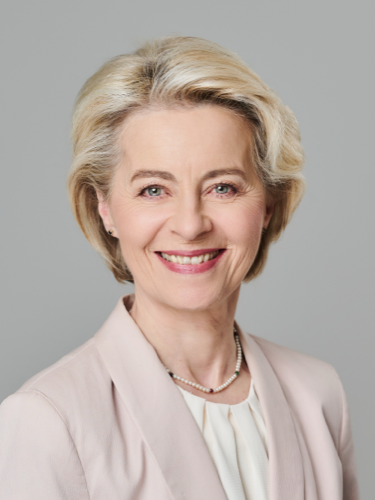
乌尔苏拉·冯德莱恩将担任欧盟委员会主席,直至其第二任期于2029年结束。
潜在的继任者可能会在该日期临近时从主要的欧洲政党中浮现,候选人将受到2029年欧洲议会选举结果的强烈影响。
正在履行至2029年的第二个欧盟委员会任期。
当前任期与继任时间表
乌尔苏拉·冯德莱恩是欧盟委员会的现任主席,正在担任第二个任期,任期至2029年。她的任期始于2019年,这使她成为一位长期掌管欧盟执行机构的人物。在2029年欧洲议会选举之后,寻找接替者的过程将加剧,因为政治团体之间的权力平衡严重影响着欧洲理事会的提名。
影响下一次任命的因素
下一任欧盟委员会主席的遴选是一个复杂的过程,受到欧洲理事会中各国领导人之间的相互博弈以及欧洲议会的政治构成所驱动。欧洲主要政治团体,例如欧洲人民党、欧洲社会主义党和欧洲复兴党,将推举领衔候选人,这些候选人常被称为“首席候选人”。此外,欧盟面临着重大的内部和外部压力,过去的政策失误,例如“欧洲一代人以来最大的错误”,可能会对新领导人的考量产生影响,新领导人需要能够有效应对复杂的挑战。
新出现的挑战与潜在人选
The next Commission President will confront a range of pressing issues that demand decisive leadership. These include strengthening the EU's strategic autonomy, addressing climate change, and fostering economic resilience. For example, recent signals from GeoGazet tracking indicate that after a deadly summer, "30+ organisations tell the EU: make nature our first line of defence," underscoring the urgency of environmental policy. Geopolitical shifts, such as "Canada eyes ‘associate member’ status with EU amid US tensions," as reported by the WSJ and tracked by GeoGazet, also highlight the need for a leader capable of enhancing the EU's global standing. The next President will need a high level of influence, building on the current office holder's influence score of 76/100.
未来领导力的特质
Given the multifaceted challenges, the European Union will likely seek a leader with strong executive experience, a demonstrated ability to build consensus across member states and political divides, and a clear strategic vision. Candidates with experience as national prime ministers, finance ministers, or seasoned European commissioners are often considered strong contenders. The successful candidate will need to command broad support from both the European Council and secure an absolute majority in the European Parliament to be confirmed for the role.