Who Could Replace Ursula von der Leyen
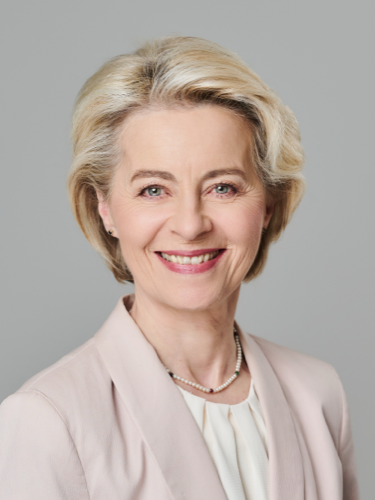
Ursula von der Leyen is serving as European Commission President until her second term concludes in 2029.
Potential successors will likely emerge closer to that date from major European political parties, with candidates strongly influenced by the 2029 European Parliament election outcomes.
Serving a second European Commission term running to 2029.
The Current Mandate and Succession Timeline
Ursula von der Leyen is the current President of the European Commission, serving a second term that runs until 2029. Her tenure began in 2019, making her a long standing figure at the helm of the European Union's executive branch. The process for identifying a replacement will intensify following the 2029 European Parliament elections, as the balance of power among political groups heavily influences the European Council's nomination.
Factors Influencing the Next Appointment
The selection of the next Commission President is a complex process driven by the interplay of national leaders in the European Council and the political composition of the European Parliament. Major European political families, such as the European People's Party (EPP), the Party of European Socialists (PES), and Renew Europe, will put forward lead candidates, often referred to as "spitzencandidaten." Furthermore, the EU faces significant internal and external pressures, with past policy missteps such as "Europe’s greatest mistake in a generation" likely weighing on considerations for a new leader who can navigate complex challenges effectively.
Emerging Challenges and Potential Profiles
The next Commission President will confront a range of pressing issues that demand decisive leadership. These include strengthening the EU's strategic autonomy, addressing climate change, and fostering economic resilience. For example, recent signals from GeoGazet tracking indicate that after a deadly summer, "30+ organisations tell the EU: make nature our first line of defence," underscoring the urgency of environmental policy. Geopolitical shifts, such as "Canada eyes ‘associate member’ status with EU amid US tensions," as reported by the WSJ and tracked by GeoGazet, also highlight the need for a leader capable of enhancing the EU's global standing. The next President will need a high level of influence, building on the current office holder's influence score of 76/100.
Qualities for Future Leadership
Given the multifaceted challenges, the European Union will likely seek a leader with strong executive experience, a demonstrated ability to build consensus across member states and political divides, and a clear strategic vision. Candidates with experience as national prime ministers, finance ministers, or seasoned European commissioners are often considered strong contenders. The successful candidate will need to command broad support from both the European Council and secure an absolute majority in the European Parliament to be confirmed for the role.