볼로디미르 젤렌스키를 대체할 수 있는 사람은?Election status: Suspended, martial law
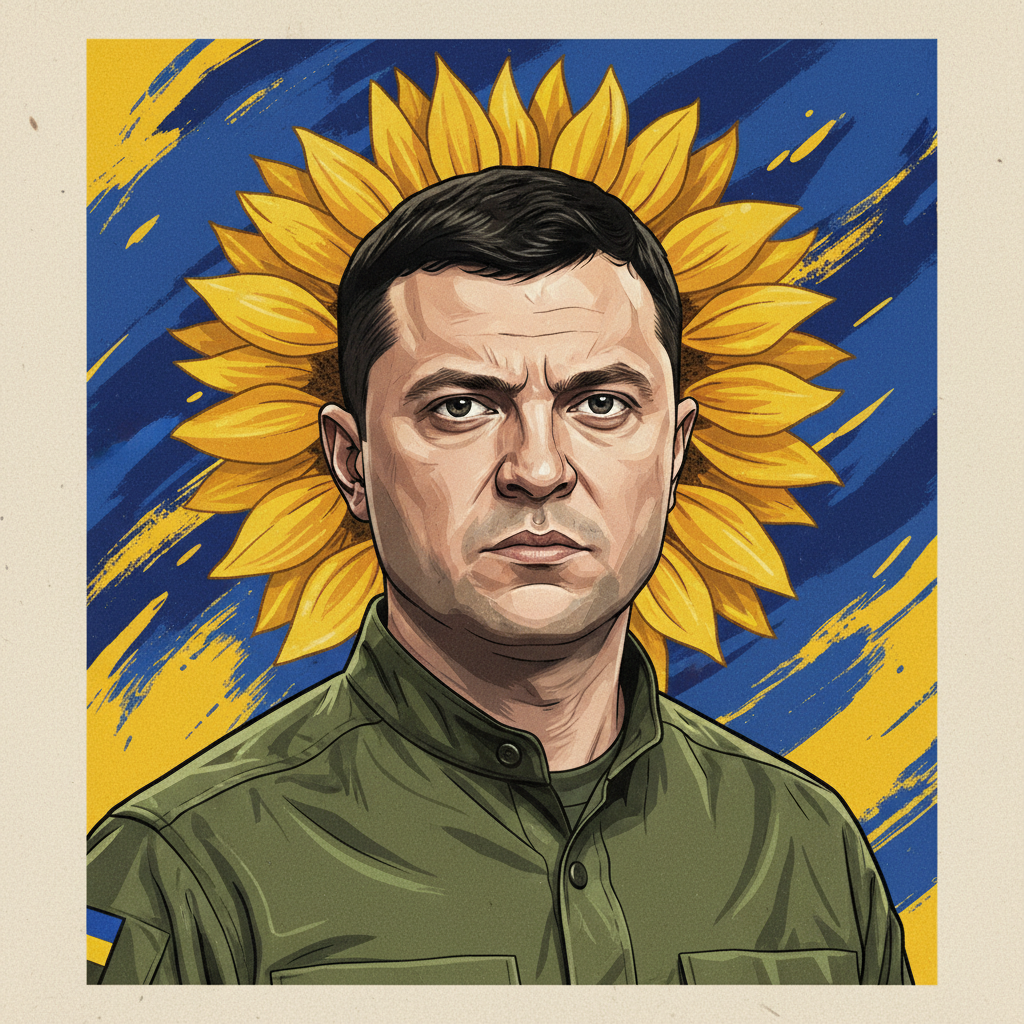
우크라이나가 대통령 선거를 실시할 때까지 아무도 젤렌스키를 대체할 수 없으며, 이 선거는 전쟁이 끝난 후에만 개최될 예정입니다.
계엄령은 현재 선거 과정을 중단시키고 있으며, 권력 승계는 분쟁 해결에 달려 있습니다.
2024년으로 예정된 선거는 전시 계엄령에 따라 연기되었습니다. 투표는 전쟁이 끝난 후에 진행됩니다.
전체 보고서 읽기줄여서 보기
현재의 헌법적 교착 상태
젤렌스키는 2026년 현재 우크라이나의 대통령으로 재임 중이며, 2019년 이후 계속 재임하고 있습니다. 예정된 2024년 대선은 전시 계엄령에 따라 연기되었으며 전쟁이 끝날 때까지 실시되지 않을 것입니다. 이는 현재로서는 법적 후계 메커니즘이 없다는 것을 의미하며, 젤렌스키의 교체에 대해 추측하려면 어떤 권력 이양도 전쟁이 어떻게 종료되는지에 따라 전적으로 달려 있다는 점을 이해해야 합니다.
선거가 재개될 때 권력 승계를 누가 통제하는가
Ukraine's Constitution mandates that a new president be chosen through popular election. The timing of that election rests with the Verkhovna Rada (Parliament) and the National Security and Defense Council, which must jointly agree to lift martial law and call for voting. Potential successors would emerge from Ukraine's existing political parties and civil society only after electoral campaigning becomes legally permissible.
Recent diplomatic activity shapes the conditions under which elections might occur. The US proposal for trilateral talks with Russia and Ukraine by end of October signals that international actors are actively positioning for conflict resolution scenarios. A settlement framework could accelerate the path to elections, making the identity of Zelensky's successor dependent on negotiated outcomes rather than immediate political competition.
권력 승계 시기에 영향을 미치는 전략적 요인들
Zelensky's current influence score stands at 52 out of 100, reflecting substantial but not overwhelming political capital. His signal volume from Ukraine itself reaches 89 tracked signals, indicating persistent domestic engagement. Recent achievements like Operation Vivaldi's liberation of up to 140 square kilometers in Donbas and development of the long range FP 9 missile demonstrate continued military momentum that may strengthen his negotiating position.
The war's trajectory will determine whether succession becomes urgent. A rapid settlement could trigger elections within months, while prolonged conflict may extend Zelensky's tenure indefinitely under emergency provisions. Neither scenario is certain, but both remain constitutionally plausible.
가능성 있는 후계자 프로필
When elections do occur, Ukraine's next president will almost certainly emerge from the country's established political leadership or military figures who have gained prominence during the conflict. Regional governors, military commanders, and opposition politicians currently constitute the realistic candidate pool, though new figures may gain prominence before campaigning begins. The successor will inherit a nation at a different stage of war or peace than exists today, fundamentally altering the presidency's character and requirements.