ولودیمیر زیلنسکی کی جگہ کون لے سکتا ہےElection status: Suspended, martial law
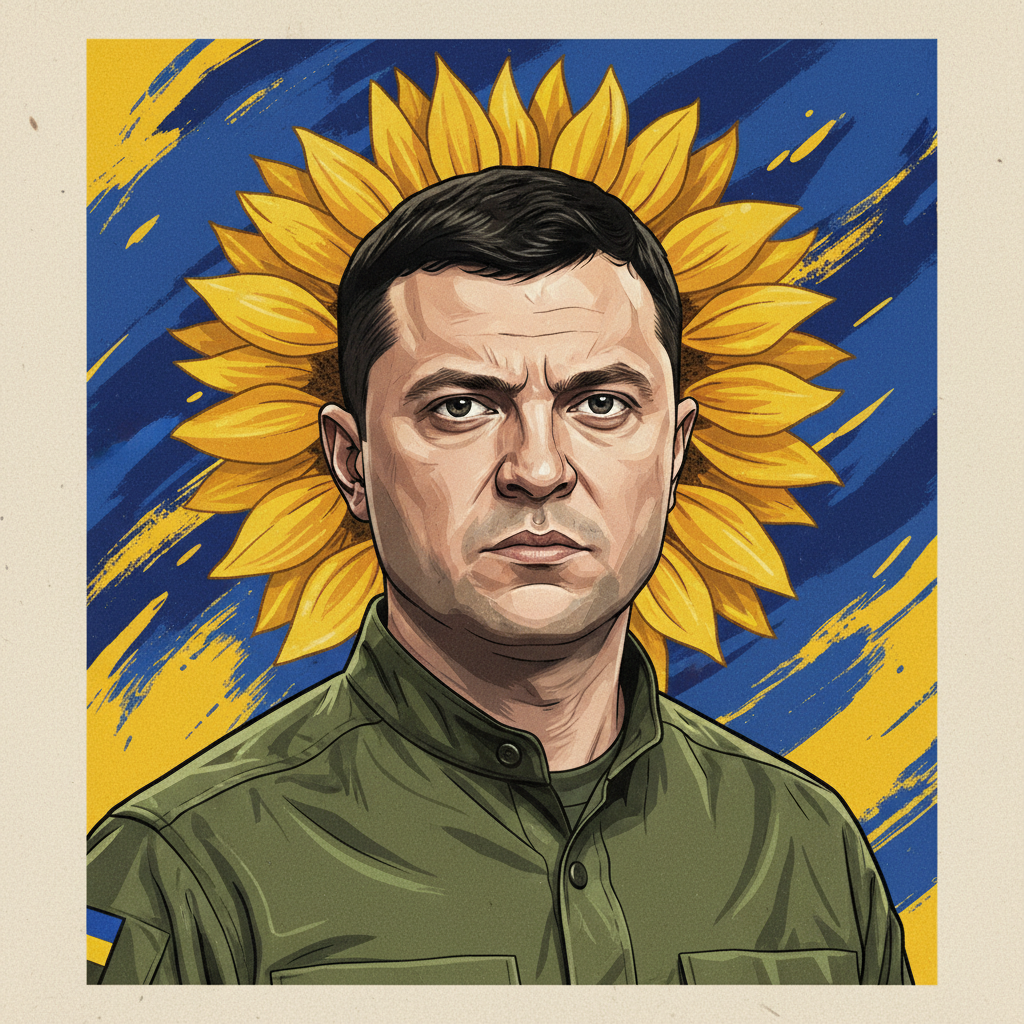
کوئی بھی زیلنسکی کی جگہ نہیں لے سکتا جب تک کہ یوکرائن صدارتی انتخابات منعقد نہ کرے، جو جنگ کے اختتام کے بعد ہی ہونگے۔
فوجی قانون فی الوقت انتخابی عمل کو معطل کر رہا ہے، جس سے جانشینی تنازعے کے حل پر منحصر ہے۔
2024 کے منصوبہ بند انتخابات کو جنگی مارشل لاء کے تحت ملتوی کیا گیا۔ جنگ کے اختتام کے بعد ووٹ ہوگا۔
مکمل رپورٹ پڑھیںکم دکھائیں
موجودہ آئینی تنازعہ
زیلنسکی 2026 تک یوکرائن کے صدر کے طور پر برقرار ہیں، 2019 سے مسلسل خدمت کر رہے ہیں۔ مقررہ 2024 کی صدارتی انتخابات جنگی مارشل لاء کے تحت ملتوی کر دی گئی تھیں اور فعال تنازعات کے خاتمے تک نہیں ہوں گی۔ اس کا مطلب یہ ہے کہ موجودہ وقت میں جانشینی کے لیے کوئی قانونی طریقہ موجود نہیں ہے، اور زیلنسکی کی جگہ لینے کے بارے میں قیاس کرنے کے لیے یہ سمجھنا ضروری ہے کہ کوئی بھی منتقلی مکمل طور پر اس بات پر منحصر ہے کہ جنگ کب اور کیسے ختم ہو۔
انتخابات دوبارہ شروع ہونے پر جانشینی پر کون قابو رکھتا ہے
Ukraine's Constitution mandates that a new president be chosen through popular election. The timing of that election rests with the Verkhovna Rada (Parliament) and the National Security and Defense Council, which must jointly agree to lift martial law and call for voting. Potential successors would emerge from Ukraine's existing political parties and civil society only after electoral campaigning becomes legally permissible.
Recent diplomatic activity shapes the conditions under which elections might occur. The US proposal for trilateral talks with Russia and Ukraine by end of October signals that international actors are actively positioning for conflict resolution scenarios. A settlement framework could accelerate the path to elections, making the identity of Zelensky's successor dependent on negotiated outcomes rather than immediate political competition.
جانشینی کے وقت کو متاثر کرنے والے اہم عوامل
Zelensky's current influence score stands at 52 out of 100, reflecting substantial but not overwhelming political capital. His signal volume from Ukraine itself reaches 89 tracked signals, indicating persistent domestic engagement. Recent achievements like Operation Vivaldi's liberation of up to 140 square kilometers in Donbas and development of the long range FP 9 missile demonstrate continued military momentum that may strengthen his negotiating position.
The war's trajectory will determine whether succession becomes urgent. A rapid settlement could trigger elections within months, while prolonged conflict may extend Zelensky's tenure indefinitely under emergency provisions. Neither scenario is certain, but both remain constitutionally plausible.
ممکنہ جانشین کی شخصیتیں
When elections do occur, Ukraine's next president will almost certainly emerge from the country's established political leadership or military figures who have gained prominence during the conflict. Regional governors, military commanders, and opposition politicians currently constitute the realistic candidate pool, though new figures may gain prominence before campaigning begins. The successor will inherit a nation at a different stage of war or peace than exists today, fundamentally altering the presidency's character and requirements.