Who Could Replace Volodymyr Zelensky
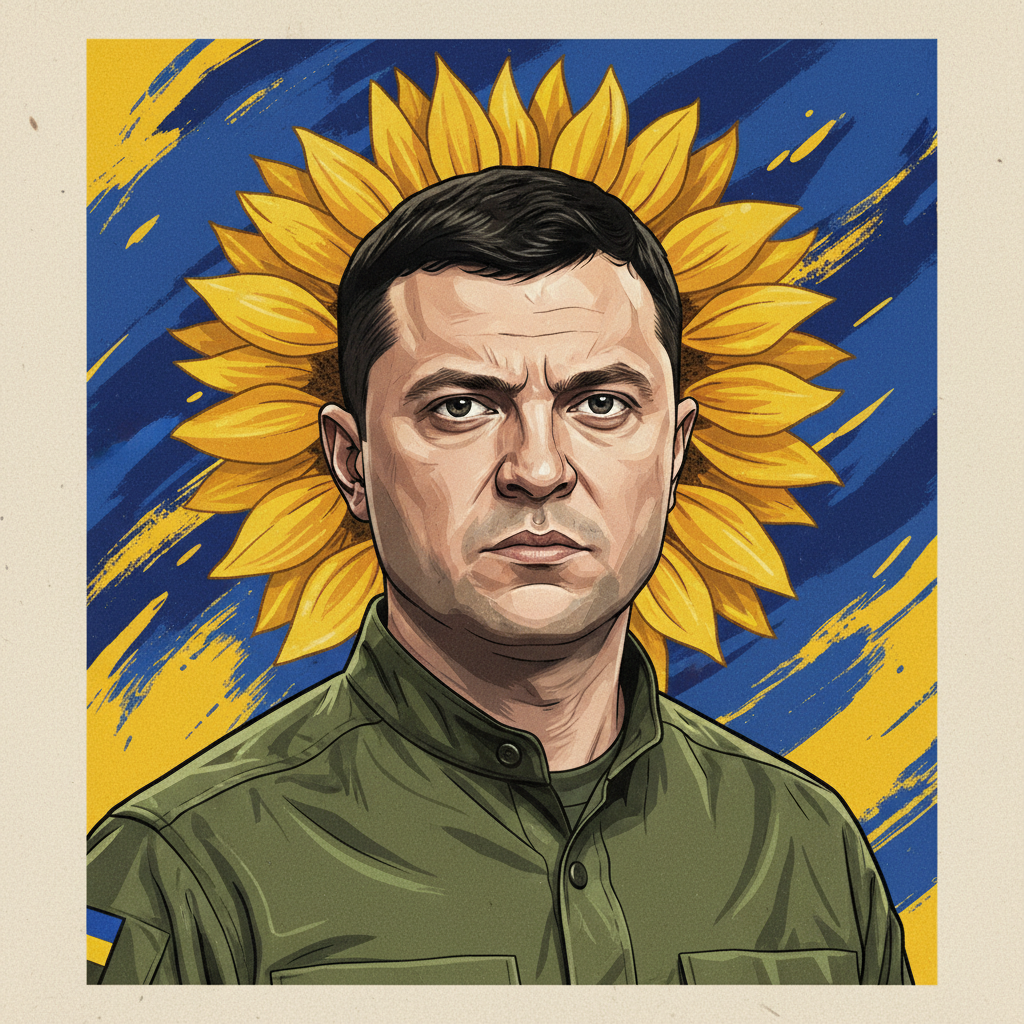
Volodymyr Zelensky remains the President of Ukraine, his term extended due to wartime martial law which suspended the scheduled 2024 election.
A vote will occur following the end of the war.
The scheduled 2024 election was postponed under wartime martial law. A vote follows the end of the war.
The Current Political Mandate and Tenure
Volodymyr Zelensky is the current office holder, serving as President of Ukraine since 2019. His scheduled 2024 election was postponed under wartime martial law, meaning a vote will follow the end of the war. This indefinite extension solidifies his immediate leadership during the ongoing conflict, reflecting the nation’s focus on wartime unity and stability. His current influence score stands at a significant 76/100, underscoring his continued centrality in national and international affairs. The extension of his term is a direct consequence of the wartime conditions, ensuring governmental continuity during a period of national emergency. This framework means any change in leadership is contingent upon the cessation of hostilities and the subsequent restoration of democratic processes.
Pathways to Future Leadership
Given the current suspension of elections, the most immediate pathway for a change in leadership is the successful conclusion of the war and the lifting of martial law. Once these conditions are met, a new presidential election would be scheduled, allowing various political figures to contend for the office. Potential candidates would likely emerge from individuals who have garnered significant public trust and political capital during the conflict, whether through military leadership, humanitarian efforts, or effective governance. The political landscape of Ukraine traditionally features a diverse array of parties and personalities, and a future election would see these forces re engage. GeoGazet tracking shows Zelensky’s top connections by signal volume include Ukraine with 72 tracked signals and Russia with 65 tracked signals, alongside Sanctions with 5 tracked signals, illustrating the complex internal and external pressures shaping the nation’s political future. The ongoing "Ukraine War, Day 1,663: Russia Offering Up to $17,800 for Recruitment of Foreign Nationals" signal highlights the persistent security challenges that any future leader would need to address.
Key Influences on a Leadership Transition
Several factors will heavily influence the timing and nature of any future leadership transition in Ukraine. Foremost among these is the war’s trajectory and eventual conclusion. The duration of martial law directly dictates when new elections can be held. Public sentiment, shaped by the war's outcome and the performance of the current administration, will also be crucial. International relations play a significant role, as evidenced by signals like "Trump says Zelensky 'has to stop' attacking Russian refineries," which demonstrates external pressures that could influence public discourse and political narratives. Domestically, the government’s efforts to maintain national cohesion and counter internal dissent, as seen in "Zelensky imposes sanctions on former press secretary Mendel who echoed Russian propaganda," will continue to be vital. The total tracked events in the GeoGazet graph number 100, reflecting the dynamic and multifaceted environment in which future political changes will unfold. Any successor would need to navigate complex post war reconstruction efforts, ensure national security, and rebuild international partnerships.