Ai có thể thay thế Rơ-xép Tayyip Éc-đô-oanNhiệm kỳ kết thúc: 2028
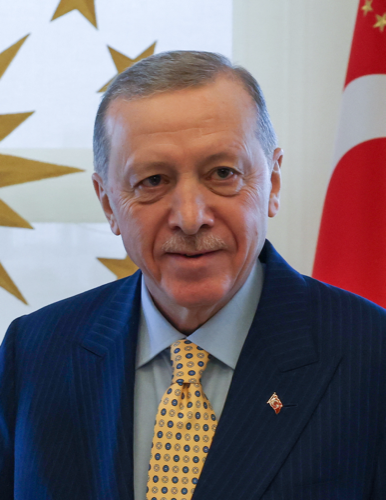
Hiện tại không có người kế nhiệm Ơ-đô-ân nào rõ ràng.
Ông vẫn còn tại chức cho đến năm 2028, và các quy tắc hiến pháp của Thổ Nhĩ Kỳ hạn chế nghiêm trọng những người có thể thay thế ông nếu không có hành động nghị viện sớm hoặc thay đổi hiến pháp.
Được tái bầu năm 2023 cho nhiệm kỳ kết thúc năm 2028. Theo các quy tắc hiện tại, ông không thể tái tranh cử trừ khi quốc hội triệu tập cuộc bầu cử sớm.
Đọc báo cáo đầy đủHiển thị ít hơn
Cửa Sổ Hiến Pháp Hiện Tại
Erdogan serves as Turkey's President through 2028 under his 2023 reelection. The constitution bars him from running again unless parliament calls an early election or amends the rules, neither of which appears imminent. This means succession decisions remain roughly two years away, and the political landscape that will shape them is still forming.
Cơ Chế Kế Vị
Turkey's next regular presidential election will occur in 2028. Any successor must emerge from the ruling Justice and Development Party (AKP) or from opposition parties, both of which face internal fragmentation. The AKP has not publicly designated a heir apparent, leaving multiple figures potentially in contention. Opposition parties remain organizationally weak after years of Erdogan dominance, making their elevation of a challenger uncertain.
Vai Trò Khu Vực Mở Rộng Của Thổ Nhĩ Kỳ
Recent analysis indicates Turkey is positioned to expand its influence as the United States signals a smaller Middle East footprint. Carney plans to visit Turkey this month, reflecting international attention to Turkish policy. Erdogan has maintained diplomatic flexibility by playing East and West simultaneously, winning room to maneuver that any successor would inherit. This elevated regional standing could become a central issue in 2028 succession politics, with candidates potentially competing over who best preserves Turkish autonomy and influence.
Thời Gian và Những Bất Định
The successor question remains genuinely open because Erdogan's term runs to 2028 and no constitutional mechanism currently exists to force early transition. Parliament could theoretically amend rules or call early elections, but no political force has mobilized around either option. The AKP's internal dynamics, opposition party recovery, and international pressure on Turkey's democratic institutions will all shape who emerges as a credible alternative by 2028. Current influence dynamics across the tracked geopolitical graph show Turkey at a pivotal moment, but the succession itself remains contingent on political events still unfolding.