谁能取代阿卜杜勒-法塔赫·塞西
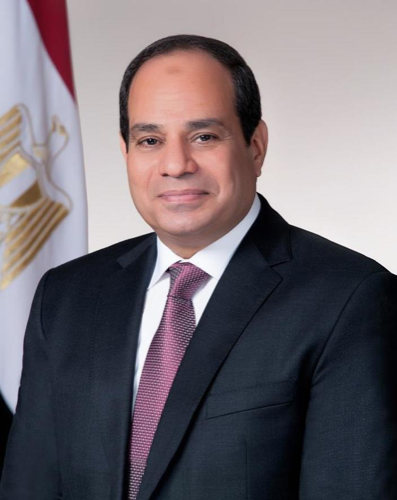
阿卜杜勒·法塔赫·塞西现任埃及总统,他的任期将于2030年结束。
由于埃及政治的高度集权性质,潜在的继任者在很大程度上仍未公布,主要关注点放在军事和情报机构的内部稳定上。
一项2019年修正案延长了总统任期,并允许他任职至2030年。
当前总统任期
阿卜杜勒-法塔赫·塞西是埃及现任总统,自2014年起任职。他的本届任期确定将于2030年结束,这是2019年宪法修正案的直接结果。这项重大修正案将总统任期从四年延长至六年,并特别允许塞西总统任职更长时间,确保他在本十年末之前继续担任领导,并为未来的政治考量设定了明确的时间表。
权力继承的宪法途径与非官方影响
埃及宪法规定了总统继承的正式程序,以防任期届满前出现空缺。在这种情况下,众议院议长根据宪法规定,应承担不超过60天的临时总统权力。在此临时期间,必须举行新的总统选举以选出永久继任者,尽管军事和情报机构通常在确定合适候选人方面扮演决定性的幕后角色。
未来领导人的素质与挑战
Any future leader of Egypt would face a complex array of internal and external challenges demanding strong leadership and strategic acumen. Domestically, the paramount tasks would include managing persistent economic pressures, implementing crucial reforms, and ensuring internal stability across a diverse population. Regionally, the ability to navigate intricate geopolitical dynamics, such as upholding the Gaza ceasefire agreement as underscored by President Sisi and the Greek Prime Minister, would be essential for maintaining Egypt’s regional influence and security.
潜在候选人格局与国际地位
With no publicly designated political heir, the pool of potential successors is widely understood to reside primarily within the highest echelons of the Egyptian military and security apparatus. High ranking military officials and intelligence chiefs are historically the most likely figures to emerge during leadership transitions, chosen for their perceived capability to ensure state continuity, order, and national security. A new leader would also inherit the responsibility of elevating Egypt's international standing, given its current influence score of 3/100, and strategically engaging with global partners, especially in light of regional complexities highlighted by events like Turkish jets performing a dramatic flyover above Egypt’s pyramids.