رجب طيب أردوغان ضد بنيامين نتنياهو
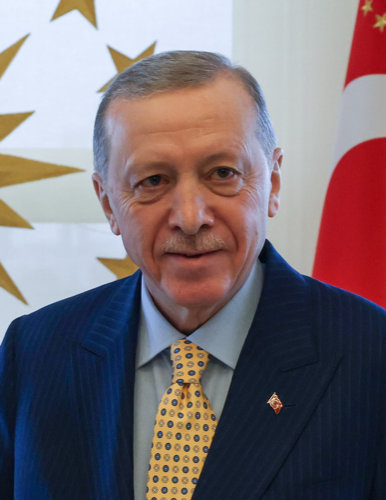
يظل رجب طيب أردوغان وبنيامين نتنياهو شخصيتين محوريتين في السياسة التركية والإسرائيلية عام 2026، حيث يتمتع كلاهما بسلطة تنفيذية كبيرة ولكنهما يواجهان تحديات داخلية ودولية متميزة.
القوة المنصبية وأمن الاستمرارية
يشغل رجب طيب أردوغان منصب رئيس تركيا، وهو الدور الذي شغله منذ عام ٢٠١٤. ولايته الحالية، التي أُعيد انتخابه فيها عام ٢٠٢٣، تنتهي في عام ٢٠٢٨. بموجب القواعد الدستورية الحالية، لا يمكن لأردوغان الترشح لإعادة الانتخاب ما لم يبدأ البرلمان انتخابات مبكرة. بنيامين نتنياهو هو رئيس وزراء إسرائيل، ويتولى المنصب منذ ديسمبر ٢٠٢٢ بصفته زعيم حزب الليكود. لا تحدد إسرائيل فترة ولاية ثابتة لرئيس الوزراء، ومن المقرر إجراء الانتخابات المقبلة بحلول أواخر عام ٢٠٢٦، أو قبل ذلك إذا دعا الكنيست إلى انتخابات. كلا الزعيمين يتمتعان بسيطرة قوية على عمليات صنع القرار الوطنية الخاصة بهما.
السياسات الداخلية وأسلوب القيادة
تستمر الأجندة الداخلية لأردوغان في ترسيخ السلطة وتشكيل النسيج المجتمعي لتركيا. تشير إشارات حديثة من تتبع GeoGazet إلى إجراءات مثل: "الشرطة التركية تحتجز العشرات في مداهمات على حانات للمثليين ومنازل نشطاء مجتمع الميم+"، مما يعكس نمطًا ثابتًا من المحافظة الاجتماعية وتدخل الدولة. تم توثيق قيادته في أعمال مثل "أردوغان: صناعة تركيا الحديثة"، مما يسلط الضوء على تأثيره التحولي على الهوية الوطنية والحوكمة. في المقابل، يعمل نتنياهو ضمن حكومة ائتلافية معقدة، يوازن فيها بين مصالح حزبية متنوعة بينما يعالج مخاوف الأمن الداخلي والاقتصاد في إسرائيل. يواجه كلا الزعيمين معارضة داخلية مستمرة، لكنهما أظهرا مرونة في الحفاظ على قيادتهما.
النفوذ الإقليمي والمكانة الجيوسياسية
Turkey, under Erdogan, actively projects its influence across the wider region, engaging in various diplomatic and strategic initiatives. GeoGazet tracking also signals "Turkey’s Nuclear Ambitions in the Post Iran War Environment," illustrating Turkiye's intent to enhance its strategic leverage in a volatile Middle East. Despite these ambitions, Erdogan's current influence score registers at 4 out of 100, according to GeoGazet tracking, which monitors a total of 100 tracked events. This score suggests that while active, Turkiye's overall impact on global decision making may be limited compared to its aspirations. Netanyahu's foreign policy prioritizes national security, particularly regarding Iran and Palestinian relations, shaping Israel's regional alliances and defense posture.
المسار والتوقعات المستقبلية
Erdogan's political future is largely tied to the 2028 presidential election, with potential for an earlier parliamentary move. His trajectory suggests continued efforts to strengthen Turkiye's role as a regional power and uphold his specific vision for the nation. Netanyahu's immediate future hinges on the stability of his coalition and the timing of the next Israeli general election by late 2026. Both leaders operate in high stakes environments where domestic pressures and geo political shifts can rapidly alter their standing and the course of their countries.