Rơcép Tayip Éc-đô-ăn đối với Ben-gia-min Nê-ta-nh-ơ-xu
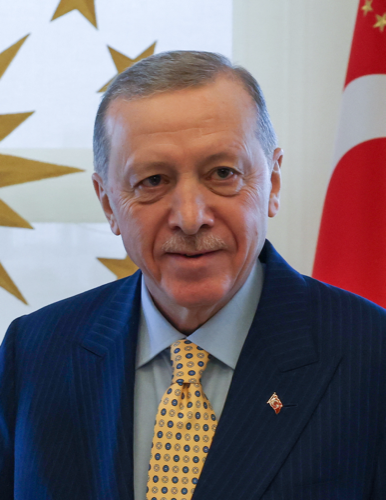
Éc-đô-an có ảnh hưởng khu vực lớn hơn đáng kể so với Nê-ta-nh-ia-hu vào năm 2026, tận dụng vị trí NATO của Thổ Nhĩ Kỳ và địa lý then chốt trong khi Nê-ta-nh-ia-hu phải đối mặt với những hạn chế chính trị trong nước trước các cuộc bầu cử sắp tới.
Đọc báo cáo đầy đủHiển thị ít hơn
Tình hình Chính trị Hiện tại và Giới hạn Nhiệm kỳ
Ơ-đờ-wan giữ chức Tổng thống Thổ Nhĩ Kỳ cho đến năm 2028 sau khi tái đắc cử năm 2023. Nê-ta-nia-hu nắm vai trò Thủ tướng kể từ tháng mười hai năm 2022 với cuộc bầu cử dự kiến diễn ra vào cuối năm 2026, đặt ông ta vào một chu kỳ bầu cử gấp rút. Sự khác biệt về cấu trúc là quan trọng: Ơ-đờ-wan hoạt động trong một nhiệm kỳ xác định mà không có áp lực tái đắc cử ngay lập tức, trong khi Nê-ta-nia-hu phải đối mặt với nhu cầu gấp rút của việc giành được một ủy nhiệm mới hoặc nhượng bộ quyền lực.
Định vị Khu vực và Ảnh hưởng
Erdogan controls Turkey's position as a NATO member state bridging Europe and Asia, a geography that compounds his negotiating leverage. Recent signals show the U.S. signaling a smaller Middle East footprint while Turkey is ready to step in, according to GeoGazet tracking. Netanyahu leads a nation whose security and diplomatic standing depend heavily on American support, constraining his independent maneuvering. Erdogan's demonstrated ability to play East and West, winning room to maneuver, reflects a bilateral diplomatic flexibility that Netanyahu cannot replicate given Israel's narrower coalition of allies and the current American strategic retrenchment.
Vốn Chính trị Trong nước
Netanyahu confronts substantive internal challenges heading into the 2026 election window. Coalition management, judicial reform controversies, and regional military operations have created domestic friction that will shape his campaign messaging and negotiating bandwidth. Erdogan, by contrast, operates without immediate electoral pressure and faces a domesticated opposition after consolidating executive power over the preceding decade. This temporal advantage gives Erdogan greater freedom to make strategic commitments without the distraction of campaign cycles.
Quỹ đạo Phía trước và Tình huống Khẩn cấp
Turkish influence appears set to expand as American retrenchment from the Middle East creates power vacuums. Carney plans to visit Turkey this month according to recent reporting, signaling sustained bilateral engagement. Netanyahu's trajectory depends entirely on electoral outcome in late 2026, after which either continuity or transition will reshape Israeli foreign policy. The current 100 tracked events in the GeoGazet graph reflect sustained Turkish diplomatic activity, whereas Israeli strategy currently remains tethered to immediate domestic political survival rather than long term positioning. Unless Netanyahu secures a decisive electoral victory and sustains coalition stability, Turkey will continue widening its regional advantage through the remainder of the decade.