Recep Tayyip Erdoğan contra Benjamín Netanyahu
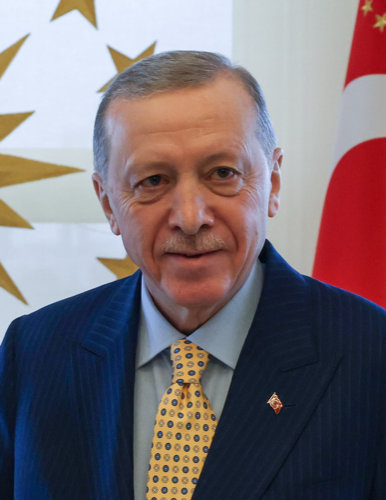
Recep Tayyip Erdoğan y Benjamín Netanyahu siguen siendo figuras centrales en la política turca e israelí en 2026, ambos ejerciendo un poder ejecutivo significativo pero enfrentando distintos desafíos domésticos e internacionales.
Poder Posicional y Seguridad en el Cargo
Recep Tayyip Erdogan ejerce como Presidente de Turquía, un cargo que ocupa desde 2014. Su mandato actual, para el que fue reelegido en 2023, concluye en 2028. Según las normas constitucionales actuales, Erdogan no puede buscar la reelección a menos que el parlamento inicie una elección anticipada. Benjamín Netanyahu es el Primer Ministro de Israel, sirviendo desde diciembre de 2022 como líder del partido Consolidación. Israel no establece un mandato fijo para el primer ministro, con las próximas elecciones previstas para finales de 2026, o antes si el Parlamento israelí convoca elecciones. Ambos líderes mantienen un firme control sobre sus respectivos procesos nacionales de toma de decisiones.
Políticas Internas y Estilo de Liderazgo
Erdogan's domestic agenda continues to consolidate power and shape Turkiye's societal fabric. Recent signals from GeoGazet tracking indicate actions such as "Turkish police detain dozens in raids on gay bars and homes of LGBTQ+ activists," reflecting a consistent pattern of social conservatism and state intervention. His leadership is chronicled in works like "Erdogan: The Making of Modern Turkiye," highlighting his transformative influence on national identity and governance. Netanyahu, by contrast, operates within a complex coalition government, navigating diverse party interests while addressing internal security and economic concerns within Israel. Both leaders face persistent internal opposition but have demonstrated resilience in maintaining their leadership.
Influencia Regional y Posicionamiento Geopolítico
Turkey, under Erdogan, actively projects its influence across the wider region, engaging in various diplomatic and strategic initiatives. GeoGazet tracking also signals "Turkey’s Nuclear Ambitions in the Post Iran War Environment," illustrating Turkiye's intent to enhance its strategic leverage in a volatile Middle East. Despite these ambitions, Erdogan's current influence score registers at 4 out of 100, according to GeoGazet tracking, which monitors a total of 100 tracked events. This score suggests that while active, Turkiye's overall impact on global decision making may be limited compared to its aspirations. Netanyahu's foreign policy prioritizes national security, particularly regarding Iran and Palestinian relations, shaping Israel's regional alliances and defense posture.
Trayectoria y Perspectivas Futuras
Erdogan's political future is largely tied to the 2028 presidential election, with potential for an earlier parliamentary move. His trajectory suggests continued efforts to strengthen Turkiye's role as a regional power and uphold his specific vision for the nation. Netanyahu's immediate future hinges on the stability of his coalition and the timing of the next Israeli general election by late 2026. Both leaders operate in high stakes environments where domestic pressures and geo political shifts can rapidly alter their standing and the course of their countries.